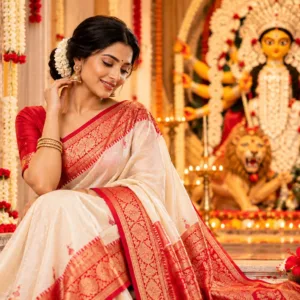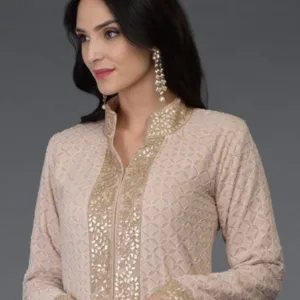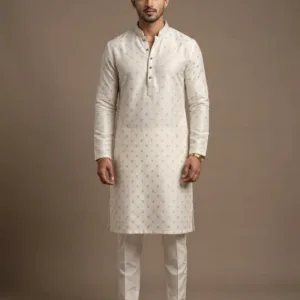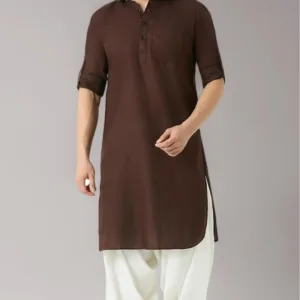
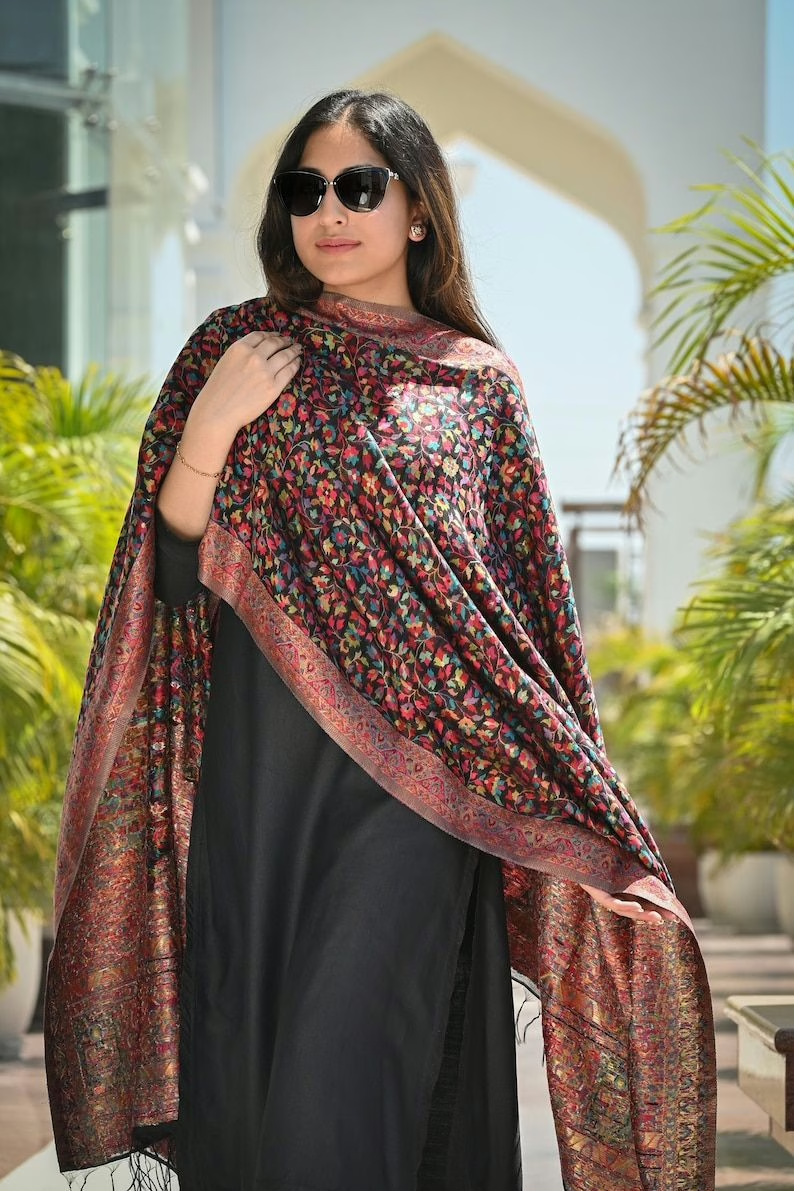
Let’s be real—winter dressing for Indian ethnic wear isn’t always about grand occasions. Most days, we just want to feel warm and still look put together. That’s where pashmina shawls truly shine, We casually drape it over a kurta set for family get-togethers, wrap it snugly for evening outings, or layer it over a saree when the cold suddenly hits after sunset. There’s no strict rule here—and that’s the beauty of it. We adjust the drape, play with folds, or even belt it for a modern twist. Pashmina fits into our everyday winter routine so naturally that it never feels overdressed or forced.
Pashmina shawl for Indian ethnic wear: A heritage woven in luxury
Pashmina shawls for Indian ethnic wear are deeply connected to India’s cultural heritage, especially the craftsmanship of Kashmir. Traditionally hand-spun and handwoven, each shawl reflects hours of skilled artistry passed down through generations. What sets authentic pashmina apart is its natural texture and fine weave, which no machine-made shawl can truly replicate. When we drape a pashmina, we carry a piece of history with us. This sense of heritage makes pashmina a preferred choice for weddings, festivals, and meaningful family occasions where ethnic wear is about tradition as much as style.
Pashimina Shawl- The Unspoken Emotional Connect
There’s also something deeply personal about pashmina that we rarely say out loud. Many of us remember borrowing one from our mother or grandmother on cold winter evenings. Over time, a pashmina stops being just an accessory—it becomes familiar, comforting, and emotional. We associate it with weddings, festivals, family dinners, and winter travels. That emotional value is something fast fashion can never replicate. When we wrap ourselves in pashmina, it feels less like styling and more like belonging.
Pashmina shawls for Indian ethnic wear: Perfect warmth without bulk
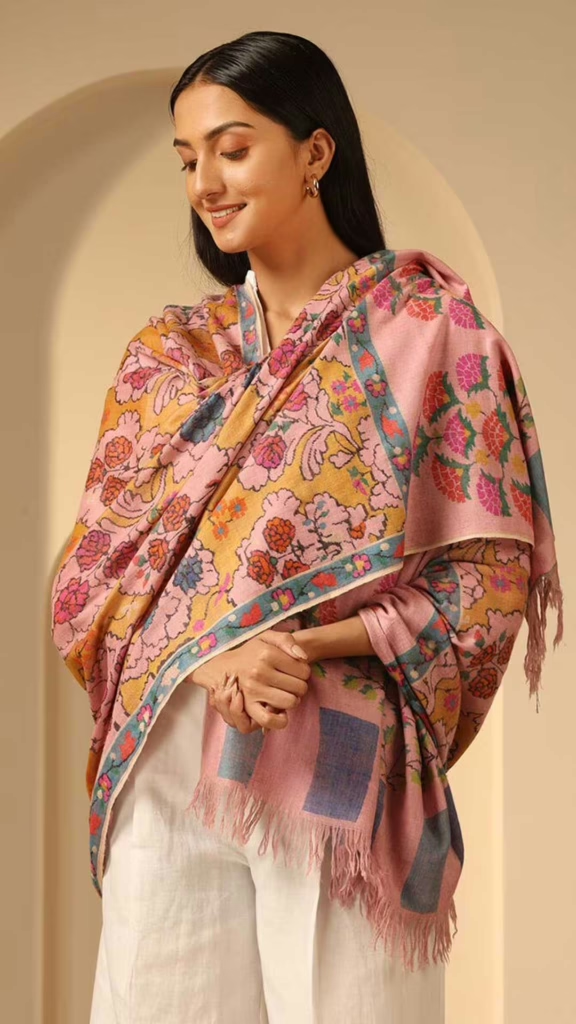
Photo Credits: Pinterest
Pashmina shawls for Indian ethnic wear solve one of winter’s biggest styling challenges—staying warm without looking bulky. Jackets and sweaters often disrupt ethnic outfits, but pashmina blends in effortlessly. Despite being lightweight, it provides exceptional insulation, making it ideal for long winter events. We can drape it over the shoulders, wrap it neatly, or let it flow naturally without feeling weighed down. Whether it’s a winter wedding or an evening celebration, pashmina keeps us comfortable while maintaining elegance. That balance of warmth and refinement is exactly why pashmina remains a winter favorite year after year.
History of the Pashmina Shawl in India
Let’s rewind time for a moment—because the story of pashmina shawls is nothing short of fascinating.
Pashmina shawls trace their roots to the cold Himalayan regions, especially Kashmir. Here, winters are harsh, and that’s where nature played its role. The wool used for pashmina comes from the fine undercoat of Changthangi goats, which grow this ultra-soft fiber to survive freezing temperatures. Locals discovered that this wool was not only warm but unbelievably light—and that’s where the magic began.
The word pashmina comes from the Persian word pashm, meaning soft gold. And trust us, it truly lived up to that name.
Now here’s where things get royal. During the Mughal period, pashmina shawls gained immense popularity under emperors like Akbar. The Mughal court embraced pashmina as a symbol of elegance and power. These shawls were worn by royalty, exchanged as prized gifts, and often decorated with intricate hand embroidery. Owning a pashmina wasn’t just about warmth—it was about status.
As trade routes expanded, pashmina travelled beyond India to Central Asia and Europe. European aristocracy fell in love with these shawls, and suddenly, pashmina became a global luxury. But even as it reached international markets, its soul stayed rooted in Indian craftsmanship.
What’s truly special is that the process hasn’t changed much over centuries. Even today, artisans’ hand-spin, hand-weave, and hand-embroider pashmina using age-old techniques. No shortcuts. No machines. Just skill, patience, and tradition passed down through generations.
So, when we drape a pashmina shawl today, we’re not just styling winter ethnic wear. We’re wrapping ourselves in history, heritage, and centuries of artistry. And that’s exactly why pashmina never goes out of style—it carries a story that time simply can’t fade.
Styling tips from fashion experts
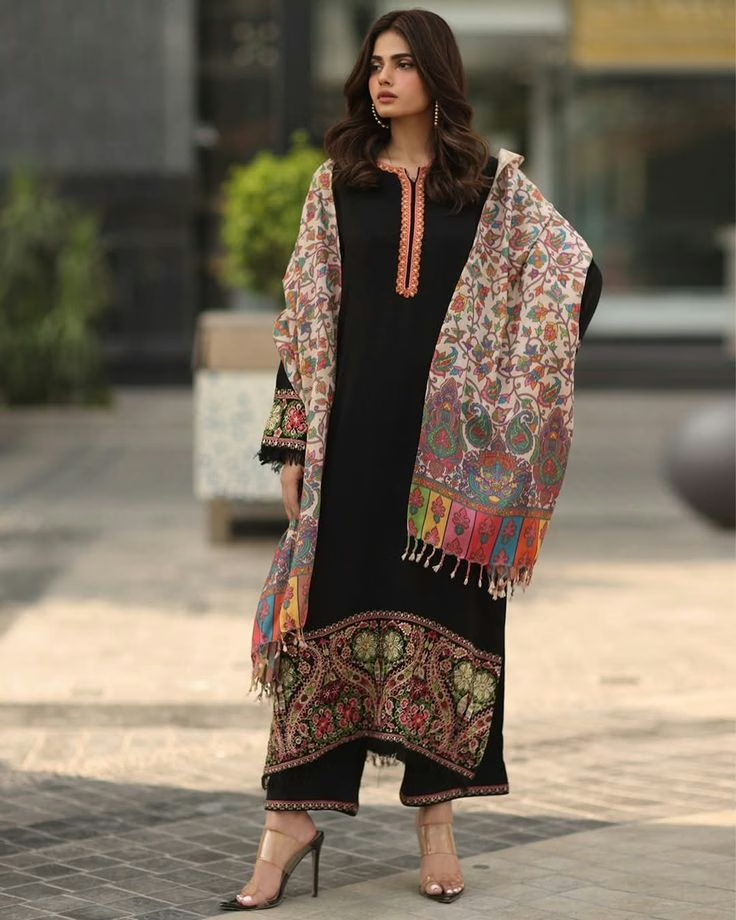
Photo Credits: Pinterest
Alright, let’s talk pashmina the way we would in a styling session—honest, practical, and no over-the-top rules.
If there’s one winter piece we always recommend investing in, it’s a good pashmina shawl. And not because it’s “traditional,” but because it quietly fixes so many winter styling problems.
Start by treating pashmina like part of the outfit
Here’s something we always tell our clients—don’t add pashmina at the last minute. Plan your outfit around it. In winters, pashmina works like a graceful outer layer, not an accessory you throw on when you’re cold. Once you think of it this way, everything falls into place—color, drape, and jewelry all start making sense.
Keep the outfit simple if the pashmina is rich
If your pashmina has kani work, embroidery, or intricate weaving, let it breathe. We usually tone down the outfit—clean silhouettes, minimal prints, and solid colors. This allows the shawl to stand out without competing with the outfit. Remember, luxury always looks better when it’s not shouting for attention.
Let the drape stay effortless
We’re big believers in effortless styling. Pashmina should never look stiff or forced. A loose shoulder drape, a soft wrap, or a relaxed front fall always looks more elegant than tight pinning. If you’re constantly adjusting it, the drape is wrong. The right drape feels natural and comfortable from the first minute.
Use color strategically, not randomly
Color choice makes or breaks winter ethnic looks. We usually suggest warm, comforting shades—ivory, rust, wine, soft gold, charcoal, muted pastels. These colors photograph beautifully and suit winter lighting. If your outfit is dark, lighten it with a soft-toned pashmina. If the outfit is light, add depth with a richer shade. Think balance, always.
Don’t overdo jewellery
This is a common mistake. When you wear pashmina, the texture already adds visual interest. We usually recommend skipping heavy necklaces and focusing on statement earrings or one strong piece. The look instantly feels more refined and intentional.
Use pashmina to elevate everyday ethnic wear
Pashmina isn’t only for weddings. One high-quality shawl can instantly upgrade simple kurta sets, woolen suits, or even long ethnic dresses. On days when you want to look polished without effort, pashmina does the job beautifully. That’s why we call it the ultimate winter styling shortcut.
Trust your comfort
Finally—and this matters more than anything—if you’re comfortable, you’ll look good. Pashmina adapts to your body, your movement, and your personal style. Don’t chase perfection. Let it flow, let it feel familiar, and let it become your signature winter layer.