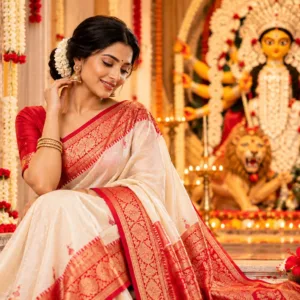
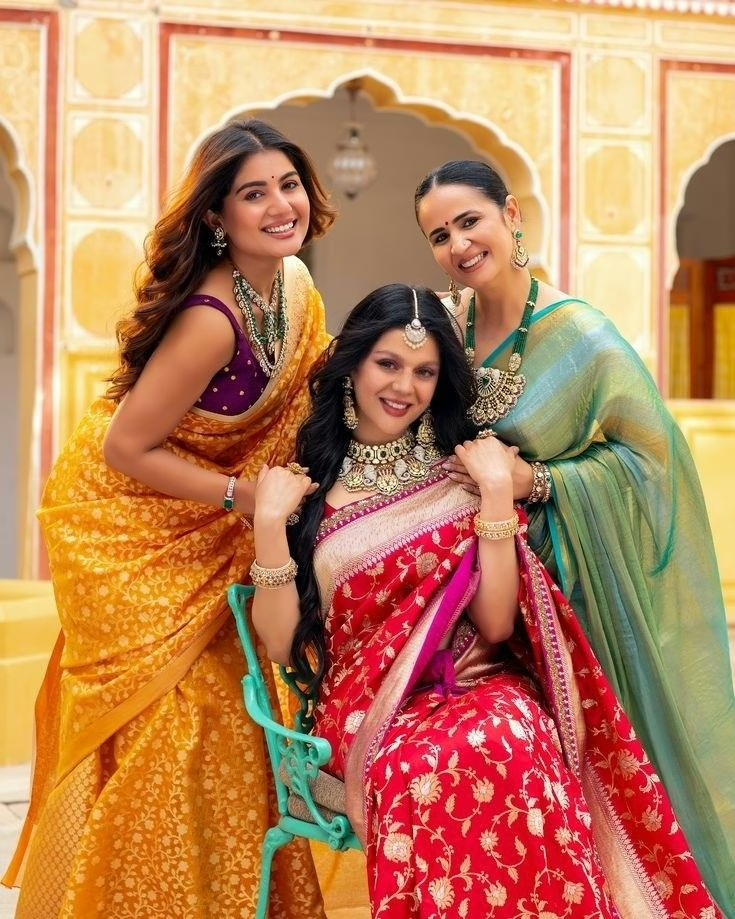
When you think of classic Indian elegance, a Banarasi saree naturally comes to mind. It feels rich, looks timeless, and carries a story that goes back centuries. These sarees come from Varanasi, a city known not just for its spiritual significance but also for its incredible weaving heritage.
If you’ve ever tried to understand different Banarasi saree types or wondered how to identify a Banarasi saree that’s actually pure, you’re not alone. It can get confusing. So let’s walk through it in a simple, practical way.
A sneak peek into history
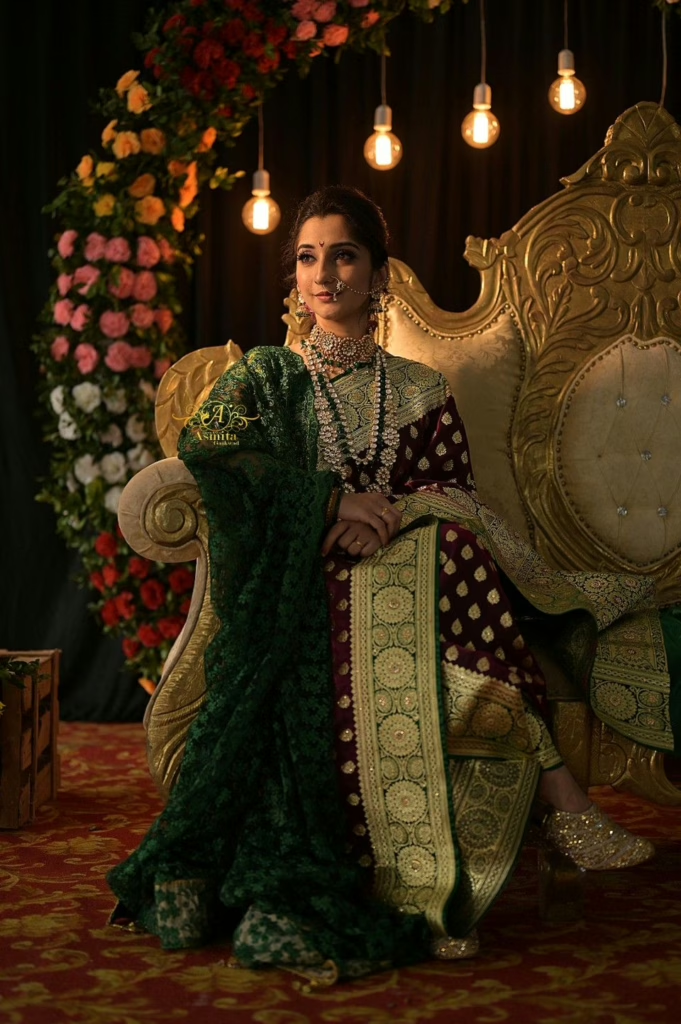
Photo Credits: Pinterest
Banarasi sarees didn’t just appear out of nowhere. Their roots go back to the Mughal era, when skilled artisans started blending Persian-inspired designs with Indian weaving techniques. The result? Beautiful motifs like florals, vines, and intricate patterns that you still see today.
Over time, these sarees became a symbol of tradition and pride. In many Indian families, a Banarasi saree isn’t just an outfit—it’s something you pass down.
Banarasi Saree Types You Should Know
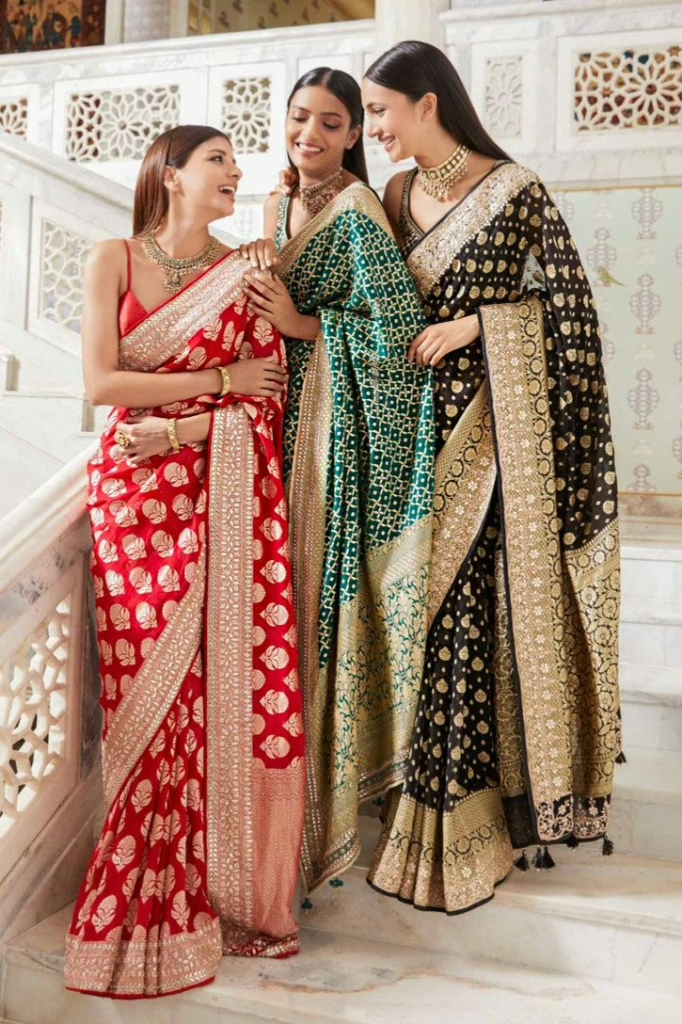
Photo Credits: Pinterest
Not all Banarasi sarees look or feel the same. Understanding the different Banarasi saree types makes it much easier to choose the right one.
1. Katan Silk Banarasi Saree
This is the most traditional type. It uses pure silk threads that are tightly woven, which gives the saree a smooth and slightly structured feel. If you’re thinking about weddings or heavy occasions, this is usually the go-to choice.
2. Organza (Kora) Banarasi Saree
If you prefer something lighter, Organza works beautifully. It has a crisp texture and a slightly sheer look, with delicate zari work that feels elegant without being too heavy.
3. Georgette Banarasi Saree
Georgette is all about comfort. It’s soft, flowy, and easy to carry for long hours. You still get the Banarasi charm, but in a more wearable, relaxed way.
4. Shattir Banarasi Saree
This one leans a bit modern. Designers experiment more with patterns and styles here, so if you like a mix of traditional and contemporary, Shattir is worth exploring.
5. Tissue Banarasi Saree
Tissue sarees have that subtle shine that instantly stands out. They are woven with silk and zari, giving them a slightly metallic glow—perfect for evening events.
Fabrics That Make the Difference
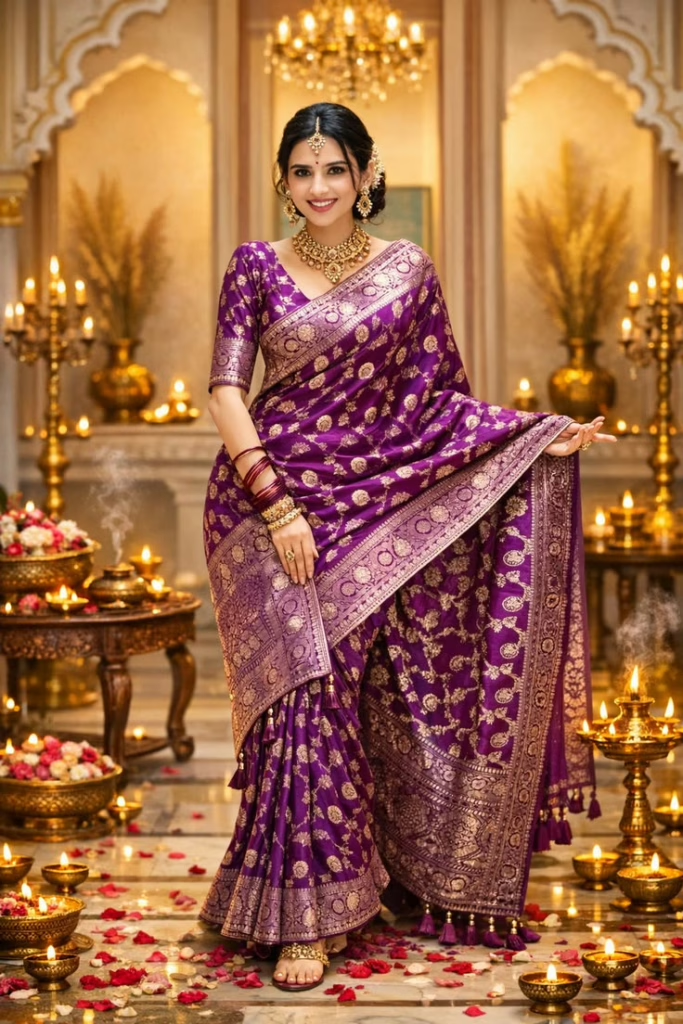
Photo Credits: Pinterest
The fabric plays a huge role in how your saree looks and feels.
- Pure Silk (Katan): Rich, traditional, and long-lasting
- Organza Silk: Light and slightly crisp
- Georgette Silk: Soft, breathable, and easy to drape
- Tissue Silk: Shiny and festive
Once you understand the fabric, you’ll start noticing the difference instantly.
How to Identify Real Banarasi Sarees Without Confusion
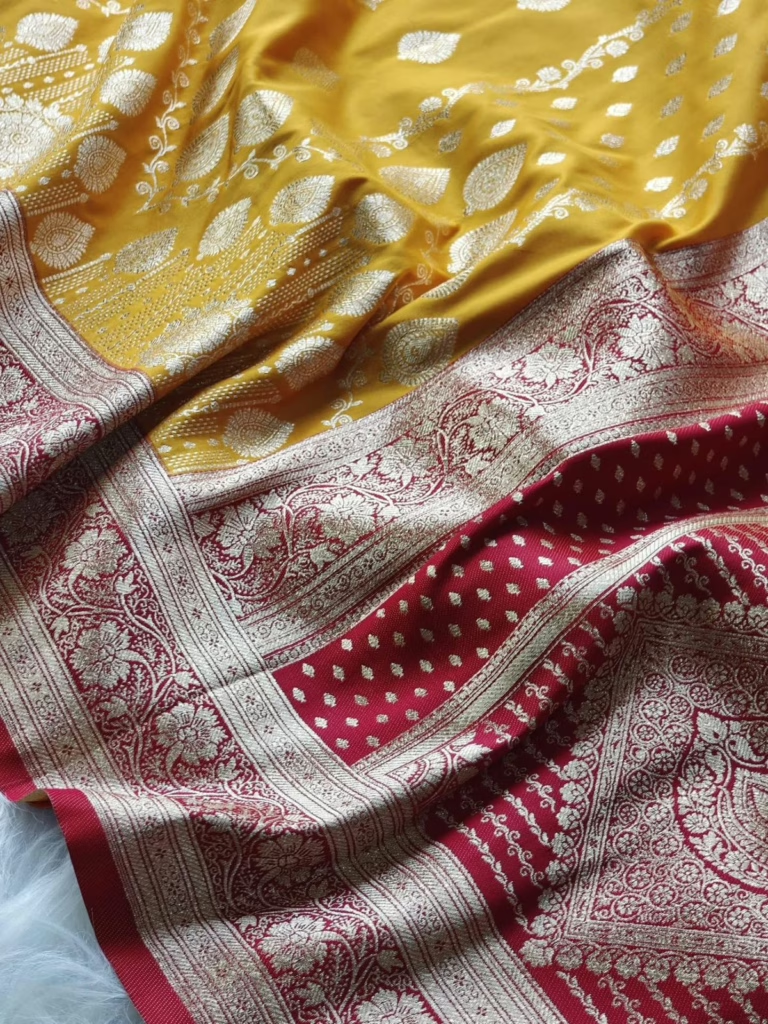
Photo Credits: Yellow and Red Banarasi Silk Saree Detail
This is probably the most important part. If you’re investing in one, you want to be sure it’s authentic.
Check the Back
Turn the saree over. A real Banarasi saree usually shows loose threads at the back where the design is woven. That’s a sign of handloom work.
Look for Silk Mark
Many genuine sarees come with a Silk Mark certification. It’s one of the easiest ways to confirm you’re buying real silk.
Feel the Fabric
Pure silk feels smooth but not overly slippery. It has a natural, soft shine—not a plastic-like gloss.
Observe the Zari
Real zari has depth. It doesn’t look flat or overly bright. Often, you’ll notice a slightly reddish or metallic base thread underneath.
Trust the Pricing
A genuine Banarasi saree takes time to create. If the price feels unusually low, it’s worth questioning.
Choosing the Right One for You
Think about where you’ll wear it.
- Weddings: Go for Katan silk with rich zari
- Festivals: Organza or Georgette works well
- Everyday elegance with a twist: Try Shattir
Also, pick colors you’ll actually enjoy wearing again. Classic shades like red, maroon, or deep blue never really go out of style.
Why Banarasi Sarees Still Feel Special
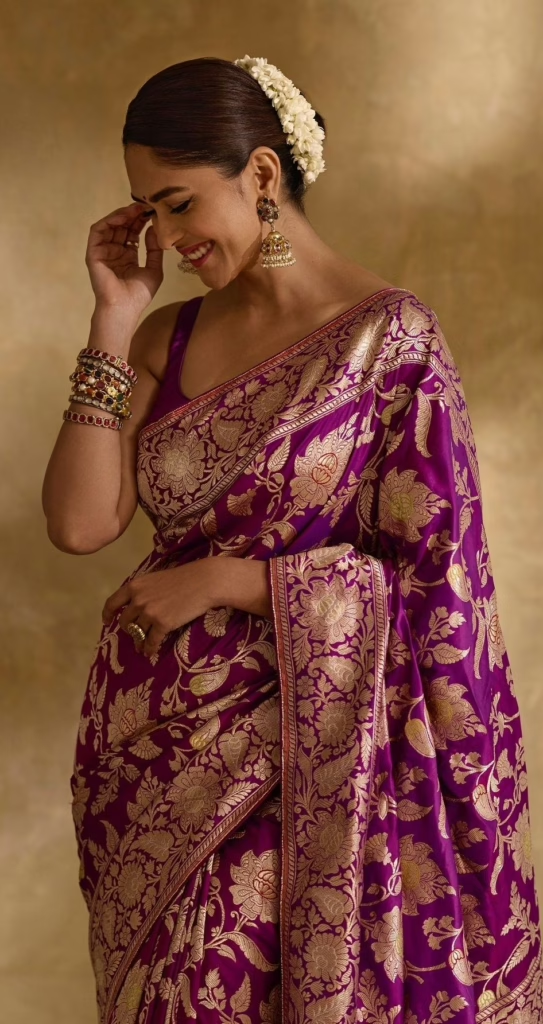
Photo Credits: Pinterest
In a world full of fast fashion, Banarasi sarees slow things down. Each piece takes time, effort, and skill. When you wear one, you’re not just dressing up—you’re wearing something that has a history and a human touch behind it.
Final Thoughts
Once you understand Banarasi saree types and learn how to identify a Banarasi saree, everything becomes easier—from choosing the right one to appreciating its value.
And honestly, there’s something very personal about owning a Banarasi saree. It doesn’t just sit in your wardrobe—it becomes part of your story.
Tell us—are you someone who prefers a classic, heavy Banarasi, or do you lean towards lighter, more modern styles?
Let us know in the comments below.