Have you ever pulled out your favorite embroidered outfit from your wardrobe and noticed that the beautiful Zardozi work no longer shines the way it used to?
If you’ve been wondering, “Why does Zardozi work turn dark over time?”, you’re definitely not alone. Many people who own Zardozi sarees, lehengas, suits, and ethnic wear experience this issue after a few years.
The good news is that understanding the causes can help you protect your garments and extend the life of their intricate embroidery.
Let’s break it down in simple terms.
What Is Zardozi Work?
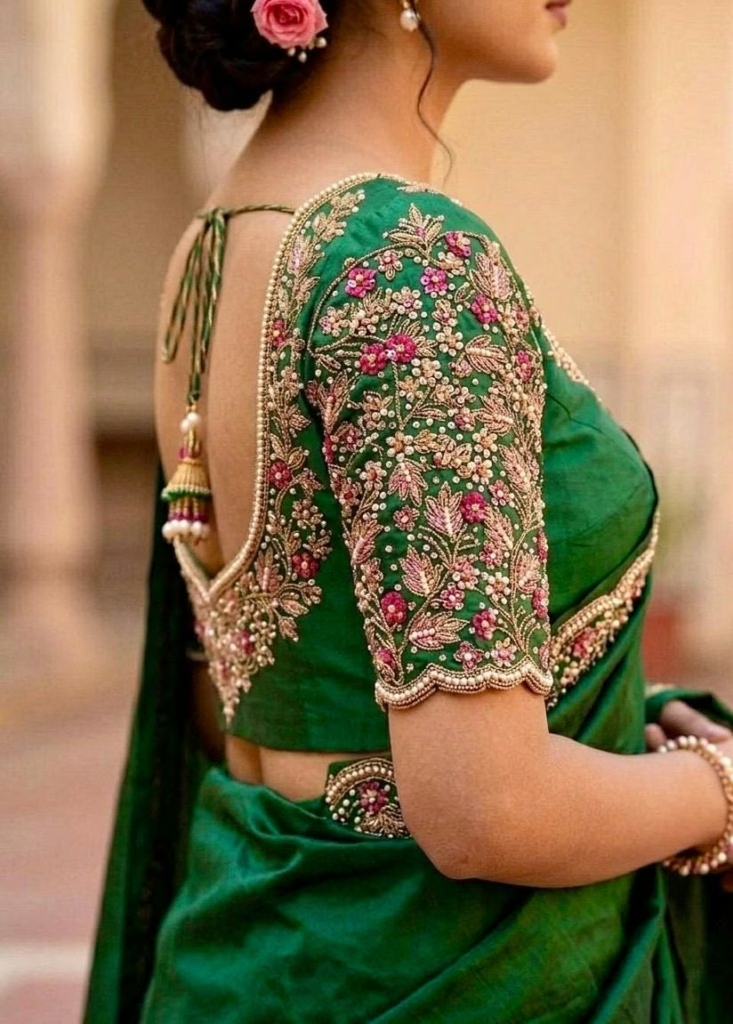
Protect its shine and sheen
Photo Credits: Pintererest
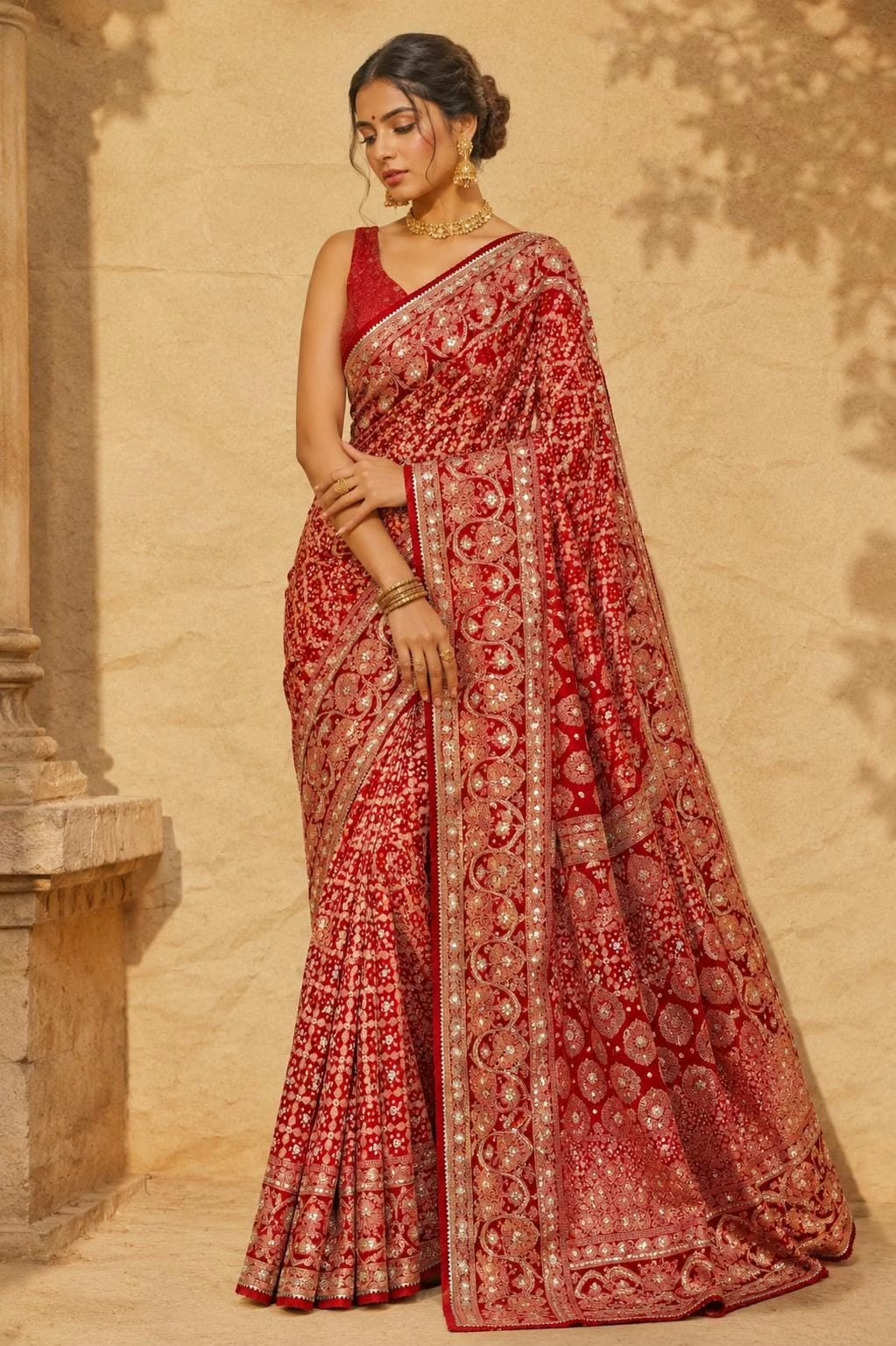
Zardozi is a traditional embroidery technique that uses metallic threads, beads, sequins, and decorative embellishments to create luxurious patterns on fabric. It is an integral part of India’s rich heritage when it comes to textiles and ethnic wear.
This centuries-old craft is commonly found on bridal wear, festive outfits, designer sarees, and ethnic garments. Because Zardozi often incorporates metallic materials, it requires special care to maintain its shine and appearance.
Why Does Zardozi Work Turn Dark Over Time?
1. Exposure to Moisture and Humidity
Humidity is one of the most common reasons behind darkened Zardozi work.
Metallic threads and embellishments can react to moisture in the air. Over time, this reaction causes oxidation, leading to discoloration and a dull appearance.
If you live in a humid climate, your garments may be more vulnerable to this issue.
2. Natural Oxidation of Metallic Threads
Even when stored properly, metallic embroidery materials naturally react with oxygen over time.
This process, known as oxidation, can cause Zardozi threads to lose their original brightness and develop darker patches.
3. Sweat and Body Oils
When you wear a garment, natural body oils and perspiration come into contact with the embroidery.
Over time, these substances can affect metallic surfaces and contribute to tarnishing, especially around the neckline, sleeves, and areas that frequently touch the skin.
4. Perfumes and Cosmetic Products
Many people apply perfume after getting dressed.
Unfortunately, perfumes, deodorants, lotions, and hairsprays contain chemicals that can react with metallic embroidery. Repeated exposure may cause Zardozi work to darken faster.
5. Improper Storage
Storing embroidered garments or benarasi sarees in plastic bags or damp wardrobes can trap moisture and accelerate tarnishing.
Poor airflow creates conditions where oxidation occurs more rapidly, affecting the appearance of the embroidery.
6. Dust and Environmental Pollutants
Dust particles, pollution, and airborne contaminants can settle on Zardozi embroidery over time.
When left uncleaned for extended periods, these particles may dull the shine and contribute to discoloration.
7. Age and Wear
Like many handcrafted embellishments, Zardozi work naturally ages.
Frequent use, folding, and handling can gradually affect the metallic finish, especially on older garments.
Why does Zardozi work turn dark over time: Prevention Tips
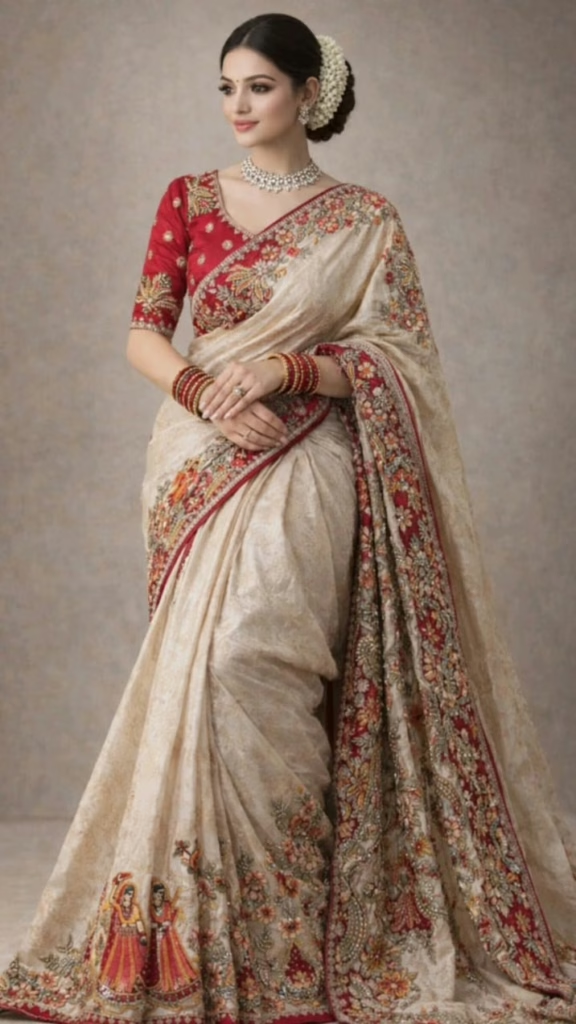
Photo Credits: Pinterest
The good news is that a few simple habits can make a big difference.
Store Garments in Muslin or Cotton Covers
Use breathable fabric covers instead of plastic packaging. This allows air circulation while protecting the embroidery.
Keep Away from Moisture
Store garments in a cool, dry location. Silica gel packets can help absorb excess moisture inside wardrobes.
Apply Perfume Before Dressing
Always apply perfume, deodorant, or hairspray before wearing your embroidered outfit.
Air Garments Occasionally
Take your garments out every few months and air them in a shaded area. Avoid direct sunlight, which may damage delicate fabrics and embellishments.
Handle with Clean Hands
Before folding or storing embroidered garments, make sure your hands are clean and dry to prevent oil transfer.
Choose Professional Cleaning
Expensive Zardozi garments should be cleaned by professionals who understand how to handle delicate embroidery.
Can Darkened Zardozi Work Be Restored?
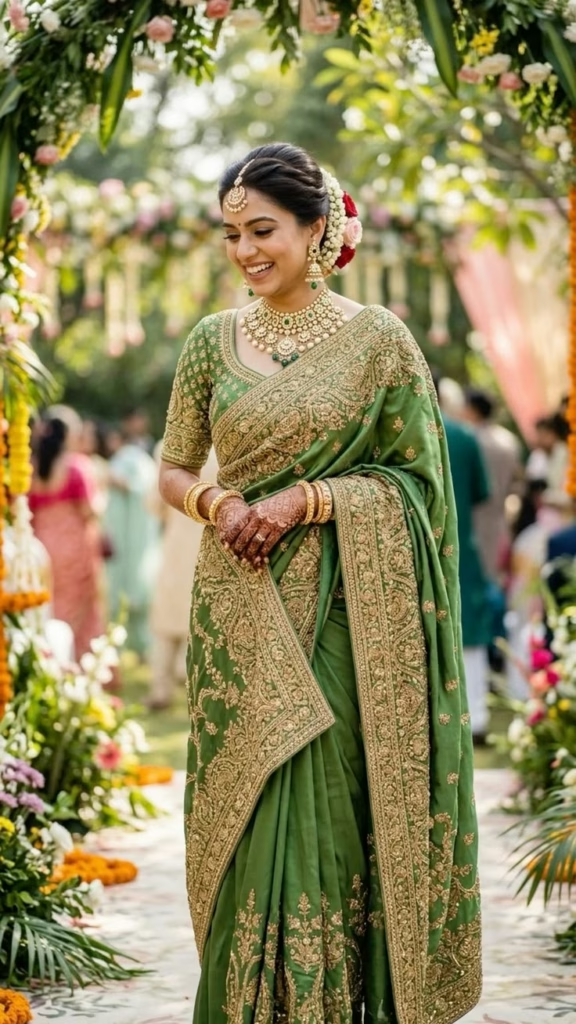
In some cases, professional restoration specialists can clean and improve the appearance of tarnished embroidery.
However, severe oxidation may be difficult to reverse completely. This is why preventive care is always the best approach.
Final Thoughts
Now, you know why Zardozi turns dark over time and what to do. You need to consider common causes such as humidity, oxidation, sweat, perfumes, improper storage, and the natural aging of metallic threads at bay. It can seem to be a mammoth task but it’s not impossible especially when it comes to storing and protecting precious heirlooms that you want to pass down.
While some degree of change is normal, proper care can significantly slow down the process and help preserve the beauty of your treasured garments.
Whether it’s a bridal lehenga, festive saree, or heirloom outfit, taking a few preventive measures today can keep your Zardozi embroidery looking elegant for years to come.
Frequently Asked Questions
Does all Zardozi work turn dark over time?
Most metallic embroidery experiences some degree of oxidation over time, but proper care can significantly delay the process.
Can humidity damage Zardozi embroidery?
Yes. High humidity is one of the leading causes of tarnishing and discoloration in metallic embroidery.
Should I store Zardozi garments in plastic covers?
No. Plastic covers can trap moisture and increase the risk of oxidation.
How often should I air out Zardozi garments?
Ideally, every three to six months in a cool, shaded, and well-ventilated area.