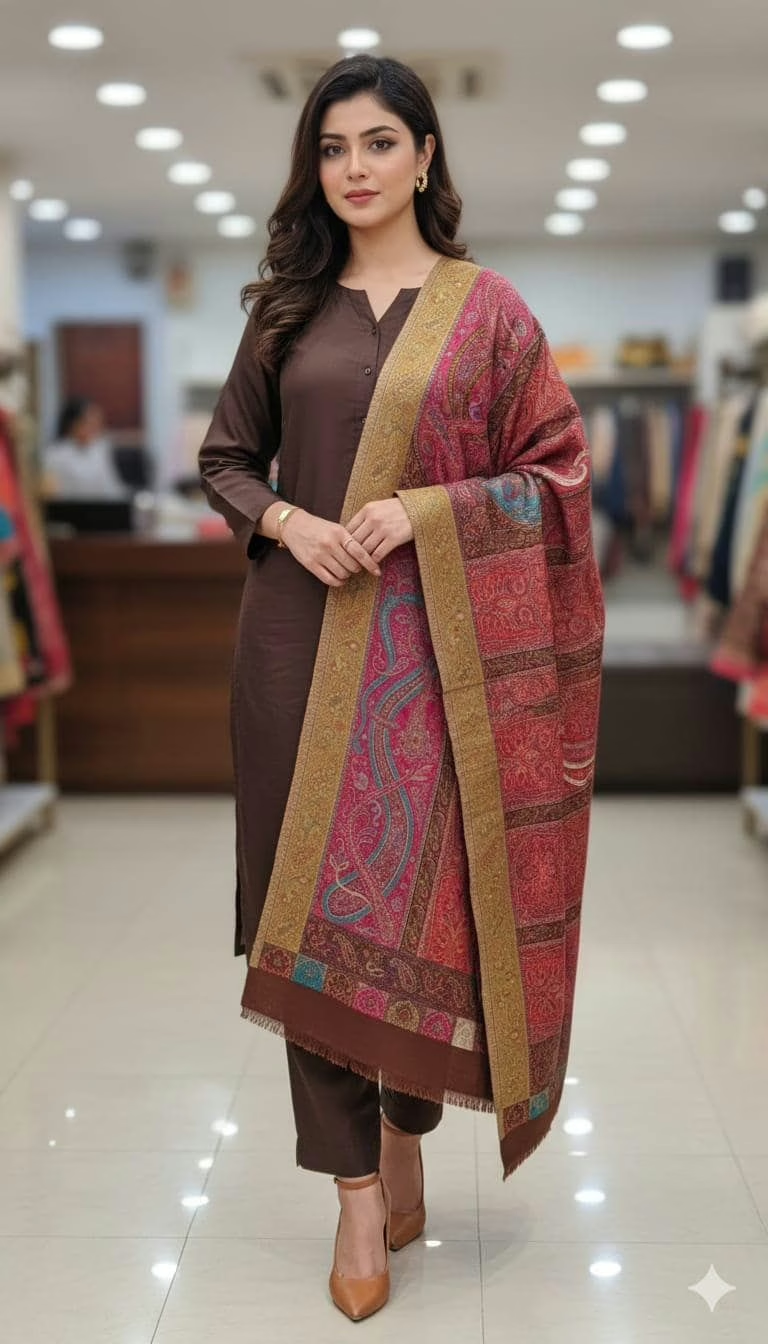
Have you ever looked at a beautiful shawl and wondered, “How did someone create something so detailed by hand?”
Well, if you haven’t discovered Kani weave yet, you’re in for a treat.
Hidden in the breathtaking valleys of Kashmir is a weaving tradition that has amazed people for centuries. Kani weave isn’t just another fabric—it’s a masterpiece created with patience, skill, and a whole lot of dedication. In fact, some Kani-weave shawls take months to complete before they are introduced to the market.
When it comes to the Kani weave, you’ll mostly find it in shawls dedicatedly crafted by artisans in Kashmir. It is fascinating because it reflects India’s ancient tradition of transforming objects into exquisite works of art. Much before luxury fashion made its debut on the global stage, artisans from India were already crafting beautiful textile weaves so detailed that they became priceless treasures for rulers, traders, and collectors worldwide.
An interesting fact is Kani Shawls from Kashmir in the past were once one of India’s precious exports on historic trading routes carrying the unique story of Indian craftsmanship to distant countries. Till date the Kani weave constantly reminds us that India’s greatest treasures have never been gemstones or gold but the extraordinary talent and skill of its artisans who magically transform simple threads into classic timeless masterpieces.
7 Interesting Facts About the Kani Weave from Kashmir
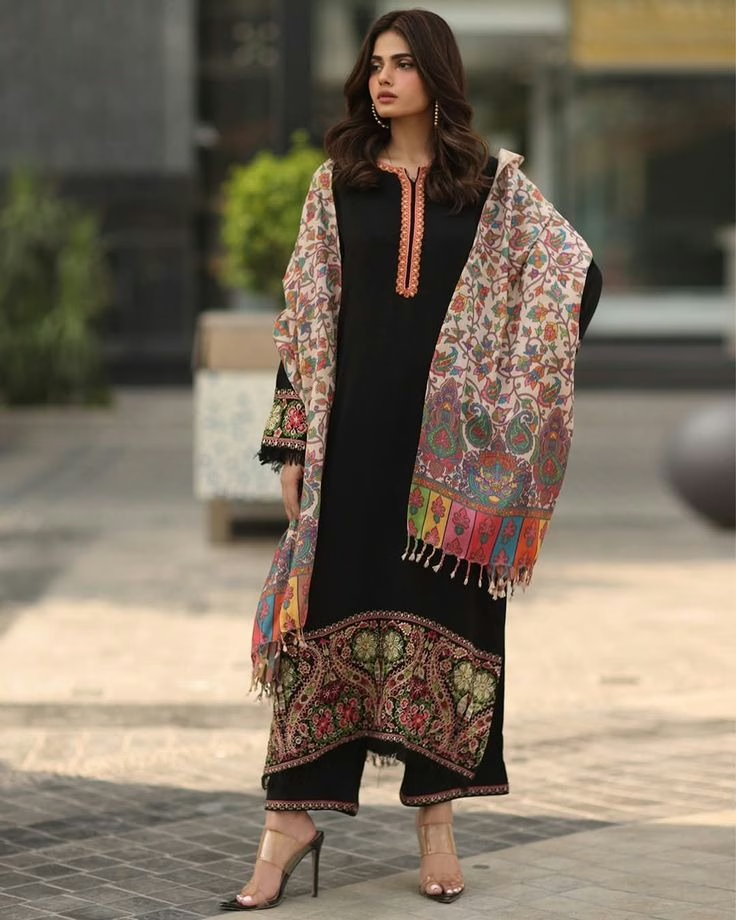
Photo Credits: Pinterest
So, let’s dive into seven fascinating facts about Kani weave and find out why this textile is considered one of India’s greatest treasures.
1. The Name “Kani” Comes from Tiny Wooden Sticks
Let’s start with something interesting.
The word “Kani” actually refers to the small wooden sticks used by weavers. These tiny sticks hold different coloured threads and help artisans create those incredibly detailed patterns you see on Kani shawls.
Imagine working with dozens of little bobbins at the same time and keeping track of every single thread. Sounds challenging, right? That’s exactly what makes this craft so special.
2. The Designs Are Woven Into the Fabric
Here’s something many people don’t know.
The beautiful flowers, paisleys, and intricate motifs on a Kani shawl aren’t embroidered later. They’re woven directly into the fabric while it’s being made.
Think about it. Instead of decorating a finished shawl, the artisan creates the design thread by thread during the weaving process itself.
That’s one reason why authentic Kani pieces look so seamless and elegant.
3. Kani Weaving Has Been Around for Centuries
Some fashion trends come and go.
Kani weave has survived for hundreds of years.
This art form became especially popular during the Mughal period when kings and nobles fell in love with Kashmiri shawls. Owning a beautifully woven Kani shawl was considered a symbol of luxury and status.
Even today, these textiles like handloom products continue to be admired across the world.
4. Weavers Follow a Secret-Like Code
Now this is where things get really fascinating.
Kani weavers don’t simply look at a drawing and start weaving. They follow a special coded system known as Talim.
You can think of Talim as a weaving language. It tells artisans exactly which colored thread to use and where to place it.
Learning to read these codes takes years of practice, which is why Kani weaving remains a highly skilled craft.
5. One Shawl Can Take Months to Complete
We’re used to things happening quickly these days.
Order something online, and it arrives in a day or two.
Kani weaving works very differently.
Depending on the design, a single shawl can take several months to create. Some highly detailed pieces may even take longer.
Every pattern is carefully woven by hand, row by row. There are no shortcuts.
That’s why genuine Kani textiles are so valuable—they represent countless hours of skilled craftsmanship.
6. Nature Is the Biggest Inspiration
Have you ever noticed how many traditional Indian textiles are inspired by nature?
Kani weave is no exception.
Many designs feature flowers, leaves, vines, gardens, and the famous paisley motif. These patterns often reflect the beauty of Kashmir itself, with its blooming gardens and stunning landscapes.
When you wear a Kani shawl, you’re carrying a small piece of Kashmir’s natural beauty with you.
7. Every Kani Shawl Helps Preserve a Tradition
Perhaps the most beautiful thing about Kani weaving is that it connects the present to the past.
The knowledge required to create these textiles has been passed down through generations of artisan families. Every time someone chooses an authentic Kani product, they’re helping keep this centuries-old tradition alive.
In a world filled with machine-made products, handmade crafts like Kani weave remind us of the value of human creativity and skill.
Why Kani Weave Still Matters Today
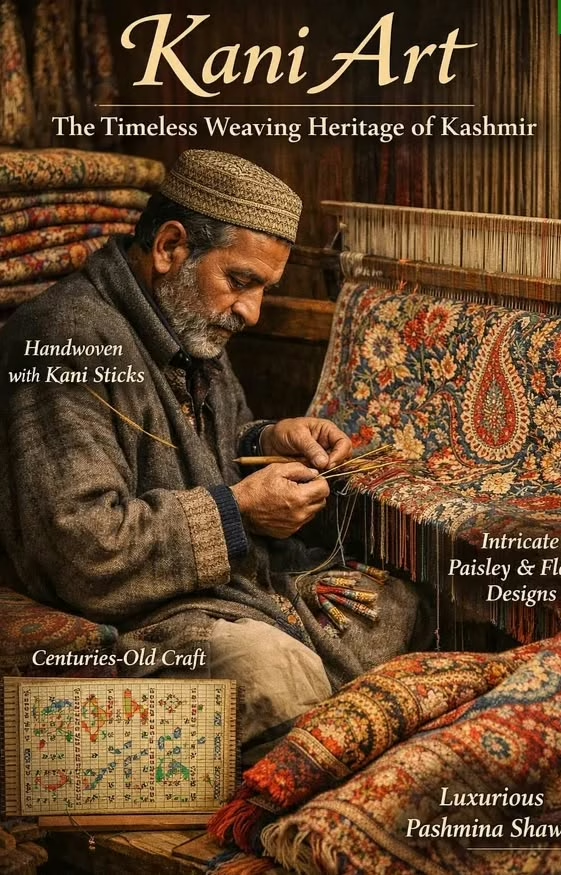
Photo Credits: Pinterest
You might be wondering, “Why is Kani weave still relevant in today’s world?”
The answer is simple.
People are beginning to appreciate handmade products more than ever before. They want items that tell a story, support artisans, and celebrate tradition.
Kani weave offers all of that and more.
It’s not just a shawl. It’s history, culture, art, and craftsmanship woven together into a single piece.
Kani Weave and Its Beauty
The next time you come across a Kani shawl, don’t just admire its beauty.
Take a moment to think about the artisan who spent months weaving every motif by hand. Think about the generations of knowledge behind that piece of fabric. And think about how a centuries-old tradition continues to thrive in the modern world.
That’s the magic of Kani weave.
It’s not simply a textile—it’s a story woven thread by thread.
Parting Note
So, what do you think? Have you ever seen a Kani shawl up close, or would you love to own one someday? The next time you’re shopping for handcrafted textiles, take a moment to appreciate the incredible skill and patience behind Kani weave. After all, every motif tells a story, and every thread carries a piece of Kashmir’s rich heritage. If you enjoyed learning about this fascinating craft, share this article with a fellow textile lover and let us know which fact surprised you the most!