Maha Shivaratri: Where Devotion Meets Style
Maha Shivaratri is more than a festival. It is a night of prayer, reflection, fasting, and surrender. It is when chants of “Om Namah Shivaya” fill the air, temples glow with diyas, and hearts turn inward in devotion to Lord Shiva. On such a powerful spiritual occasion, what you wear is not just about appearance — it becomes a reflection of your respect, your mindset, and your personal expression.
This celebration beautifully blends tradition and individuality. Your outfit can enhance your spiritual experience, help you feel confident, and align you with the sacred energy of the night. The right choice allows you to participate comfortably in rituals, temple visits, and long hours of prayer while still expressing your personal style.
The Dhoti: Rooted in Tradition
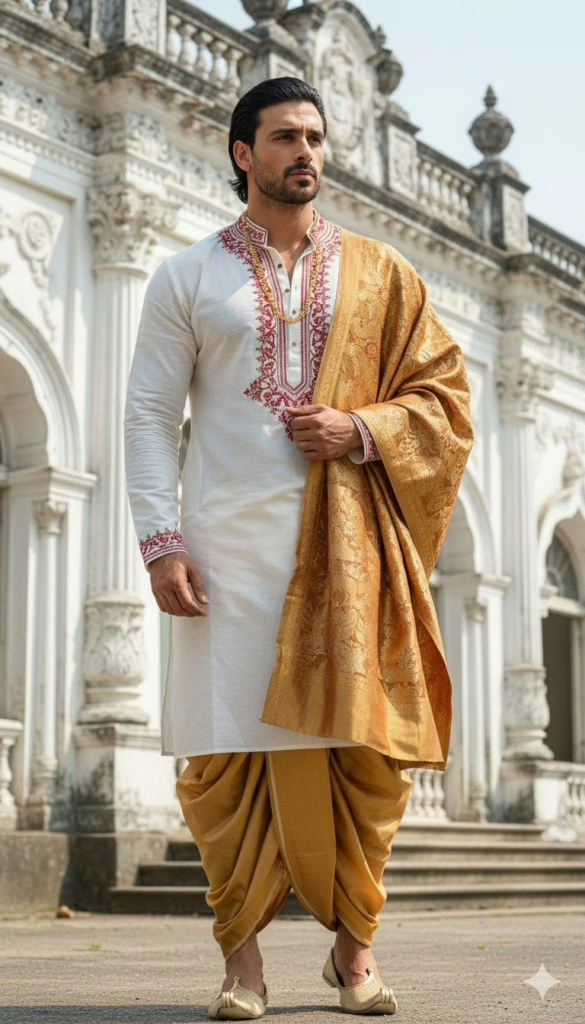
Photo Credits: Pinterest
The dhoti is one of India’s oldest traditional garments. It has deep cultural and spiritual meaning. On Shivaratri, when many men visit temples in the morning or do rituals at home, wearing a dhoti feels authentic and meaningful. For those new to wearing a dhoti, basic tying guidance can make a positive difference. First-timers may want to follow simple tutorials or practice beforehand to ensure they wear this traditional attire with ease and confidence.
Why Choose a Dhoti on Shivaratri?
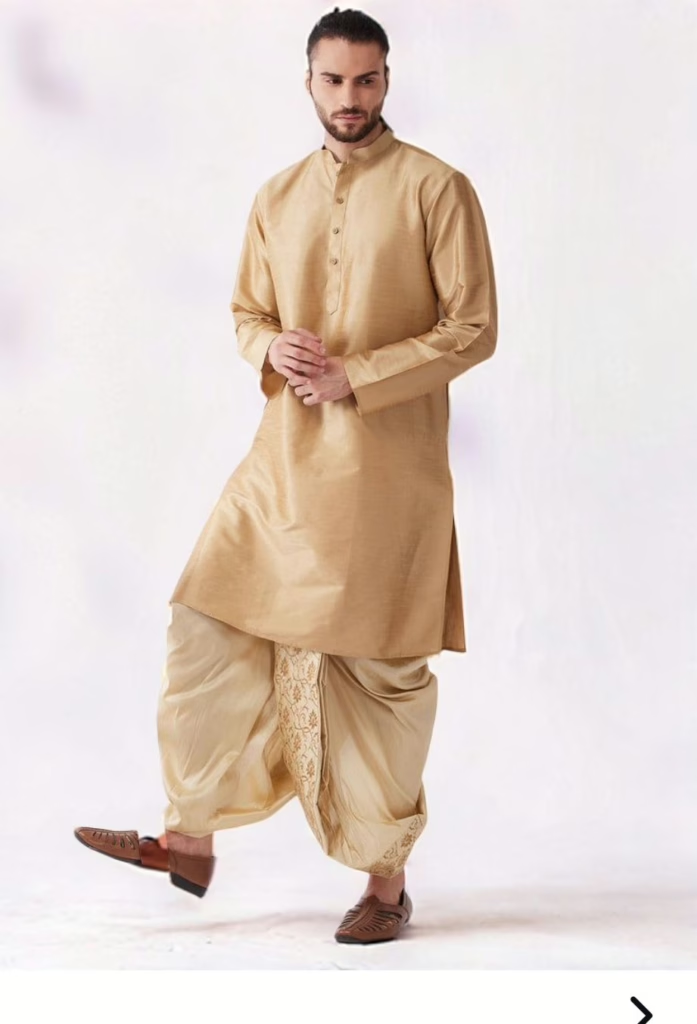
Photo Credits: Pinterest
- It reflects purity and devotion.
- It aligns beautifully with temple rituals.
- It creates a strong traditional presence.
A white or off-white cotton dhoti gives a simple and sacred look, its light fabric cooling the skin as the sun rises. For a festive but elegant style, try a cream dhoti with a gold border that glimmers subtly in the morning light. Silk dhotis are a good choice for evening ceremonies or family gatherings, where the fabric catches the glow of lamps and candles, adding an aura of sophistication.
Style Tips for Wearing a Dhoti
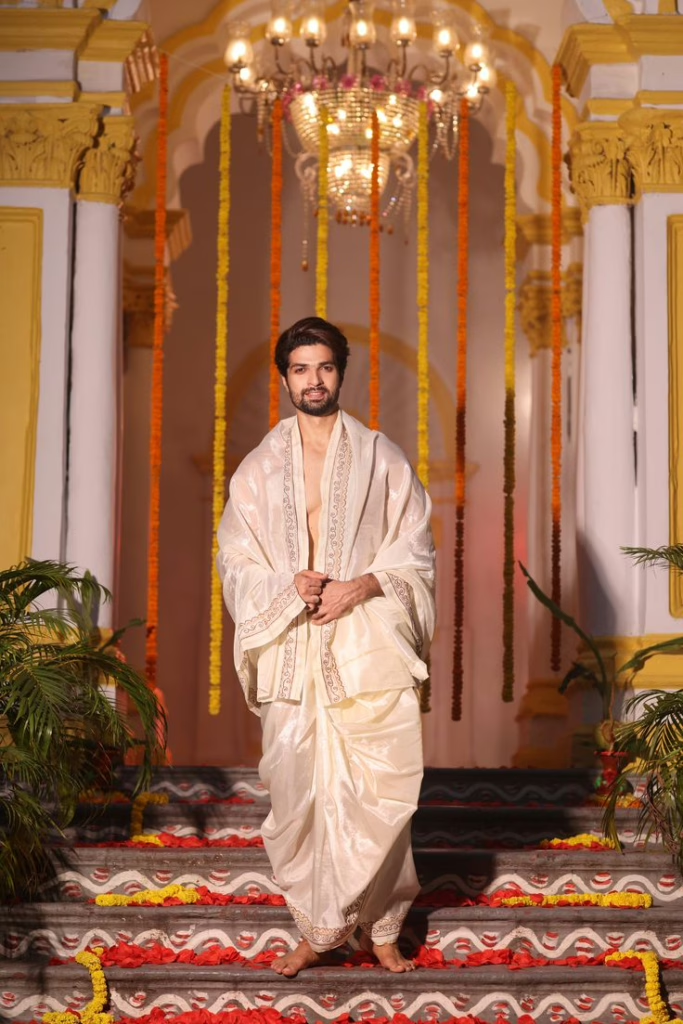
Photo Credits: Pinterest
Choose breathable cotton for long hours of prayer and fasting. Ensure the drape is neat and secure; practice ahead of time if needed. Pair your dhoti with a simple white kurta, add an angavastram (traditional stole), use Rudraksha beads for a spiritual touch, and wear Kolhapuri sandals or go barefoot inside the temple. To further personalize your look, consider adding a simple mala, wearing silver rings, or applying a traditional tilak or vibhuti. These small touches help express your individuality while maintaining a respectful appearance.
Keep accessories simple. Shivaratri style should feel graceful, not flashy.
Best For: Morning temple visits, home puja, traditional family settings.
The Kurta Pajama: Effortless and Elegant
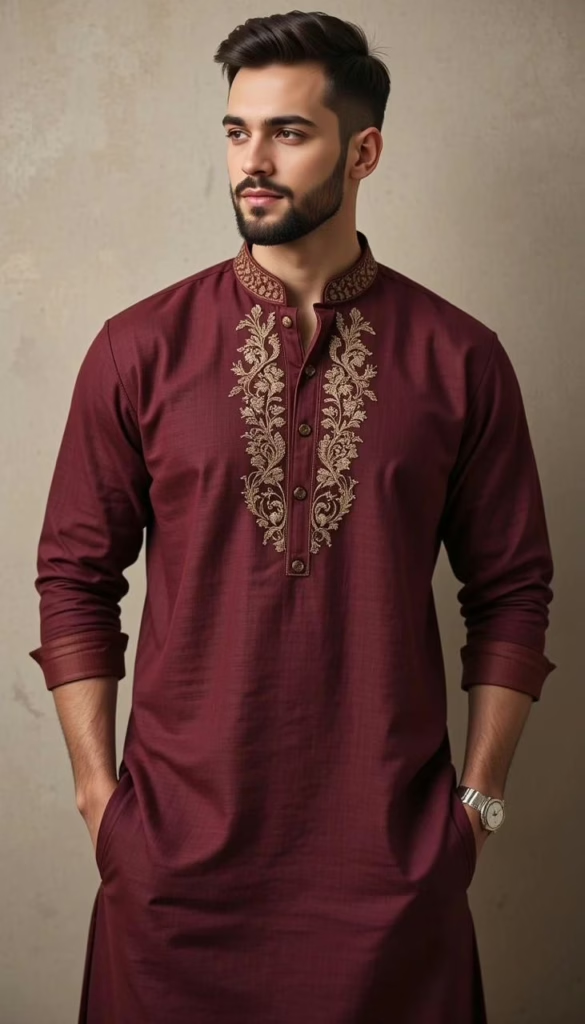
Photo Credits: Pinterest
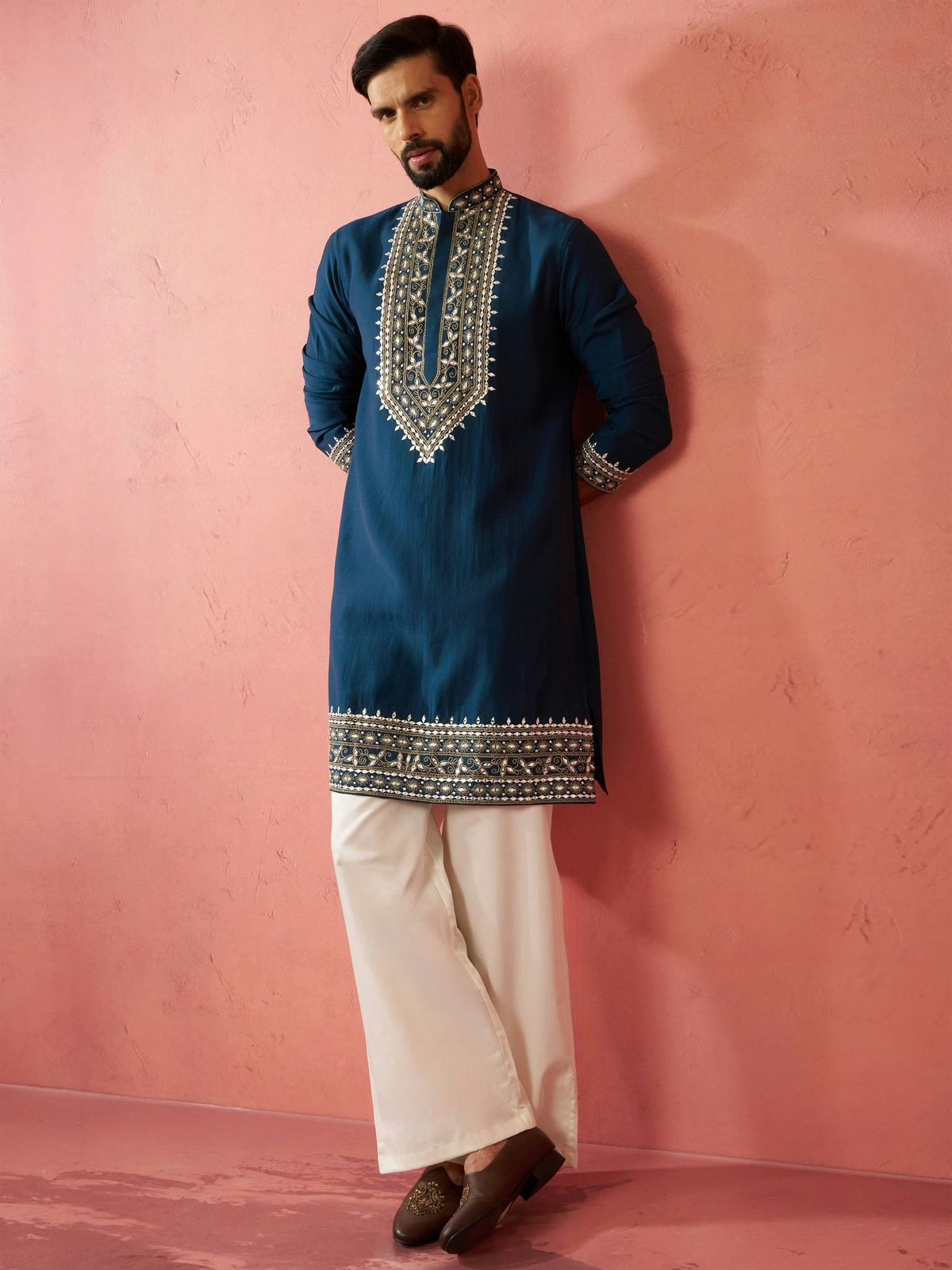
If you want comfort and a neat look, the kurta pajama is a great choice. It combines tradition and ease, especially if you plan to attend several gatherings or community events.
Why Choose a Kurta Pajama?
- It is easy to wear and move in.
- It looks polished and refined.
- It works for both day and evening celebrations.
A well-fitted kurta makes you look sharp right away. Avoid clothes that are too tight. The shoulders should fit well, much like a blazer that holds its shape, giving you room to move while maintaining a crisp line. The pajama should be a bit narrow at the ankles.
Style Tips for Kurta Pajama
The fabric you choose matters a lot.
- Cotton for simplicity and comfort.
- Linen for breathable elegance.
- Cotton-silk or Chanderi for festive charm.
For colors, choose:
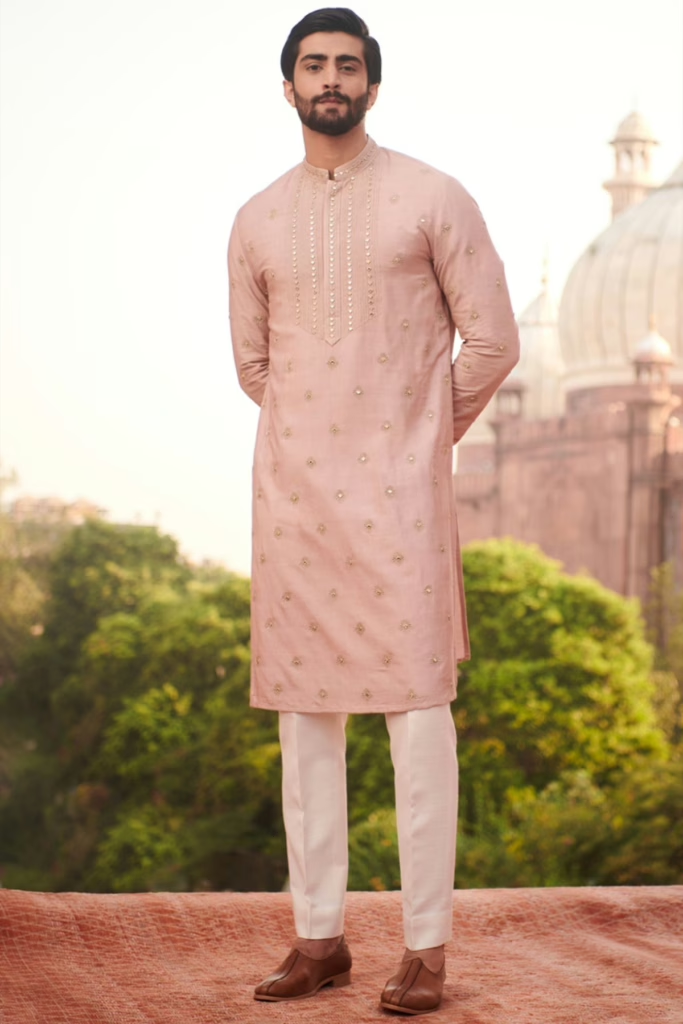
Photo Credits: Pinterest
- White, ivory, or beige for spiritual calmness.
- Deep blue, maroon, or earthy tones for evening gatherings.
- Avoid heavy prints. Keep your look subtle and sophisticated.
You can elevate the look with:
- A Nehru jacket for structure
- Mojaris or leather sandals
- A classic watch for a refined finish
Best For: Office celebrations, community events, evening family functions.
Dhoti vs Kurta Pajama: How to Decide
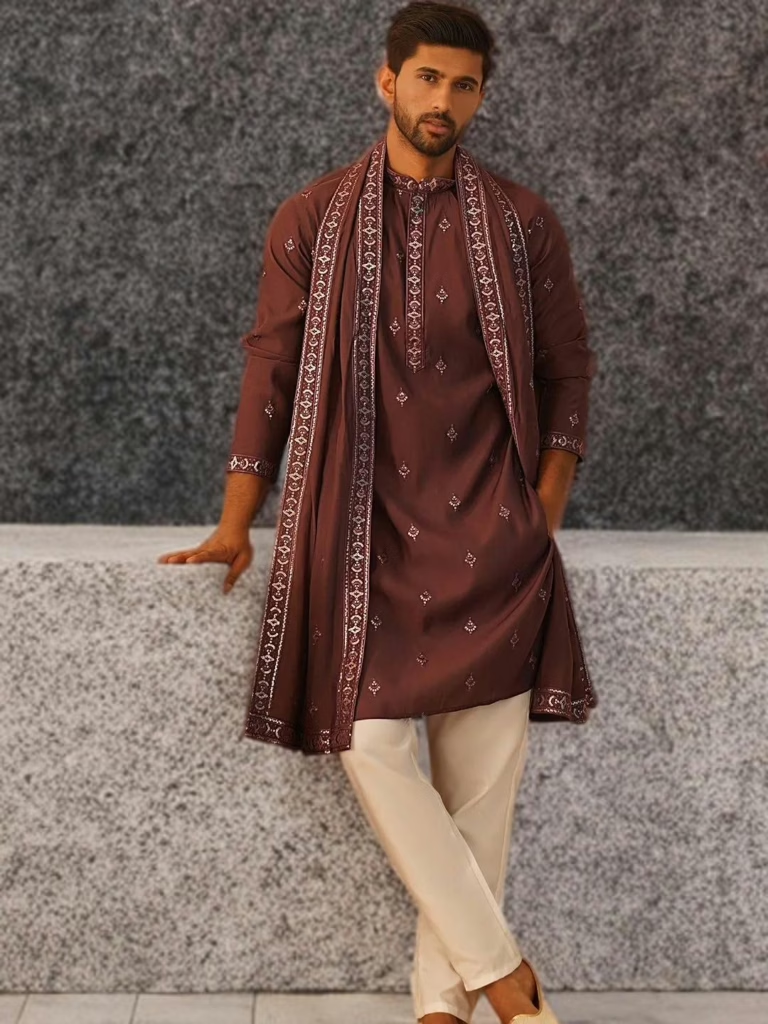
Photo Credits: Pinterest
Your choice comes down to three things: the occasion, your comfort, and your confidence. Depending on the region, additional options might influence your decision. For instance, in Southern India, a veshti is often worn, providing a distinct cultural touch, whereas in other regions, lungi variations are popular. Color preferences can also vary regionally— in Gujarat, vibrant colors like red and orange are favored, while in Maharashtra, whites and subtle shades are more common. If you are deeply involved in rituals and want a strong traditional presence, the dhoti is unmatched.
If you prefer comfort, versatility, and a clean silhouette, the kurta pajama is the smarter option.
Many men even choose both options: a dhoti for the morning temple visit and a kurta pajama for the evening gathering.
Final Styling Advice for Shivaratri
Shivaratri style is not about following trends. It is about looking respectful, calm, and spiritually connected.
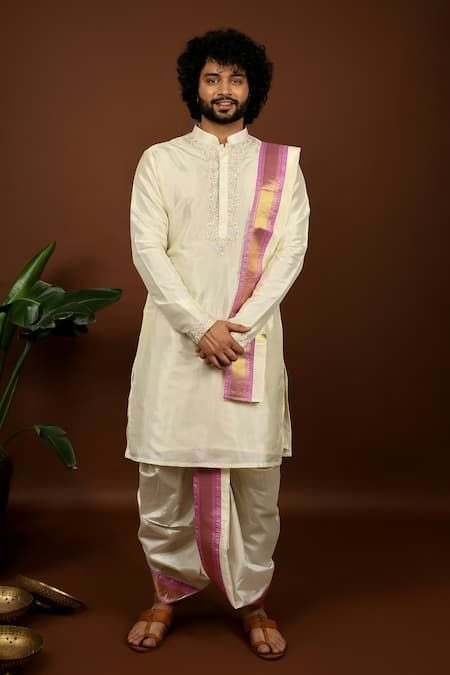
Photo Credits Pinterest
Keep your grooming neat. Trim your beard or keep a clean shave. You can apply a simple tilak or vibhuti if you like. Avoid strong perfumes. Pick calm colors. Walk with quiet confidence. Subtle modern touches like a smartwatch can seamlessly integrate with tradition, providing a practical yet stylish edge to your attire.
Choose what connects you to the night and wear it with quiet pride.