Some sarees quietly command attention. Tissue sarees do exactly that.
The moment light touches the fabric, it begins to glow. Not loudly, not dramatically—just enough to make people pause and look again. That soft metallic sheen, the delicate texture, and the graceful drape make tissue sarees one of the most elegant textiles in Indian fashion.
But this saree is not just about shine. It carries centuries of craftsmanship, royal history, and textile artistry. Once worn by queens and noblewomen, tissue sarees continue to hold their place in modern wardrobes—from weddings and festive celebrations to contemporary designer collections.
Let’s explore what makes tissue sarees so fascinating and why they remain timeless.
What Exactly Is a Tissue Saree?
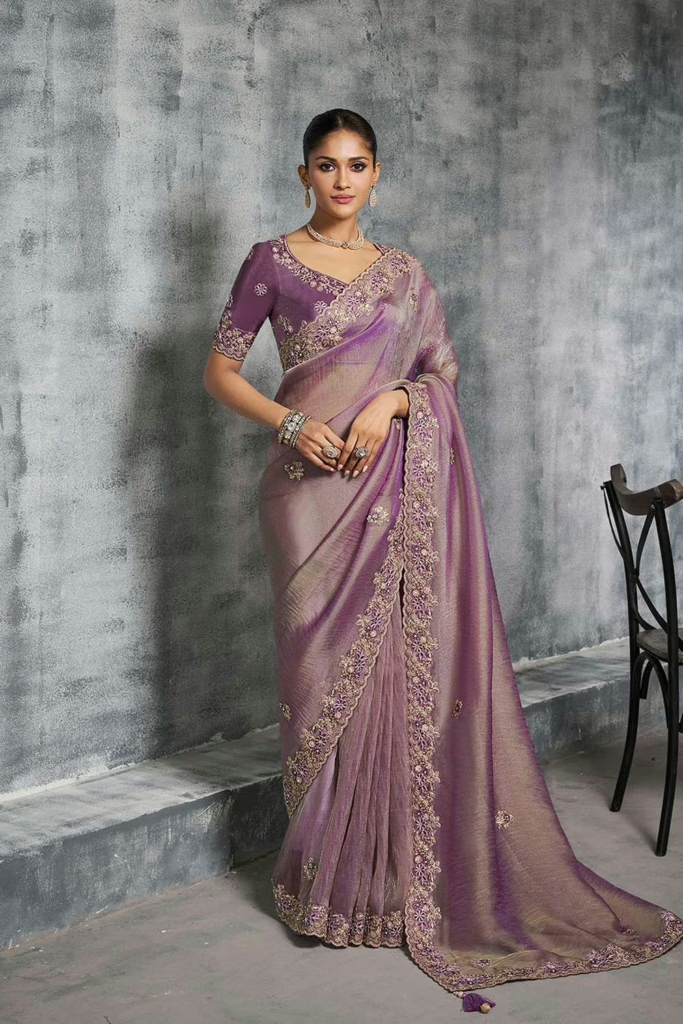
Photo Credits : Pinterest
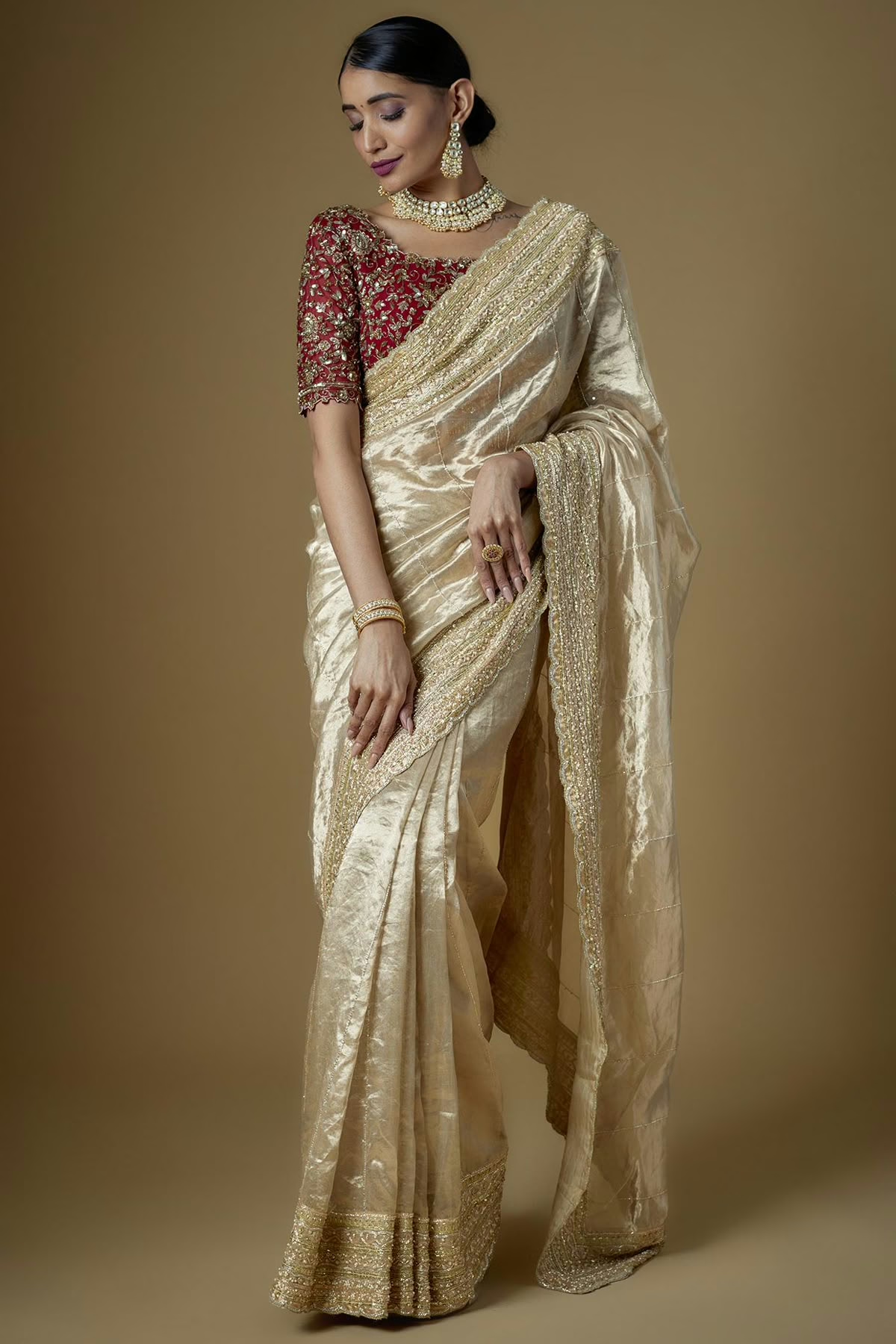
At first glance, a tissue saree looks almost magical. The fabric appears light and airy, yet it reflects light with a metallic glow.
This effect comes from the way the saree is woven.
Weavers combine fine silk threads with metallic zari threads, usually gold or silver. Typically, silk forms the vertical threads (warp) while zari runs horizontally (weft). When these threads interlace, they create a delicate fabric that looks almost luminous.
The result is a saree that feels lightweight, slightly sheer, crisp yet fluid, and softly radiant.
Many people describe tissue sarees as looking like “liquid gold” or “liquid silver.” And honestly, that description feels quite accurate.
A Fabric with Royal Roots
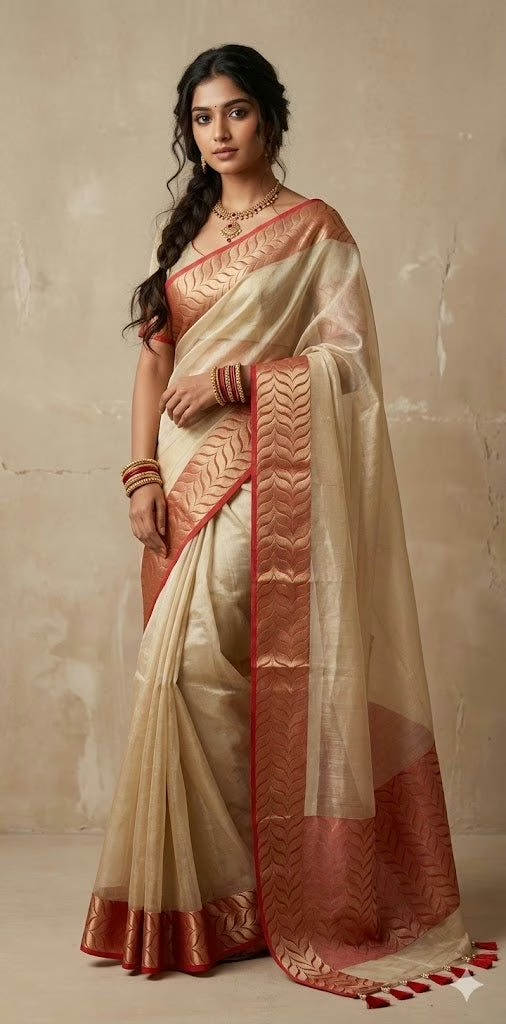
Photo Credits: Pinterest
Tissue sarees trace their history back several centuries, particularly to the Mughal era, when India experienced a golden age of textile craftsmanship.
The Mughal courts loved luxurious fabrics. Silk, brocade, zari embroidery, and intricate weaving techniques flourished under royal patronage. Textiles were not just garments—they were symbols of power, wealth, and refined taste.
During this time, master weavers began experimenting with metallic threads woven into silk fabrics. The result was a shimmering cloth that looked regal yet delicate.
Naturally, such fabrics found their way into royal wardrobes. Queens, noblewomen, and aristocrats wore these luminous textiles during court ceremonies, weddings, and celebrations.
Over time, the craft flourished in Varanasi (Banaras), which became the heart of tissue saree weaving. Banaras was already famous for brocade weaving, and the addition of metallic tissue fabrics made its textile heritage even richer.
Even today, Banarasi tissue sarees remain among the most treasured versions of this fabric.
The Art Behind the Weave
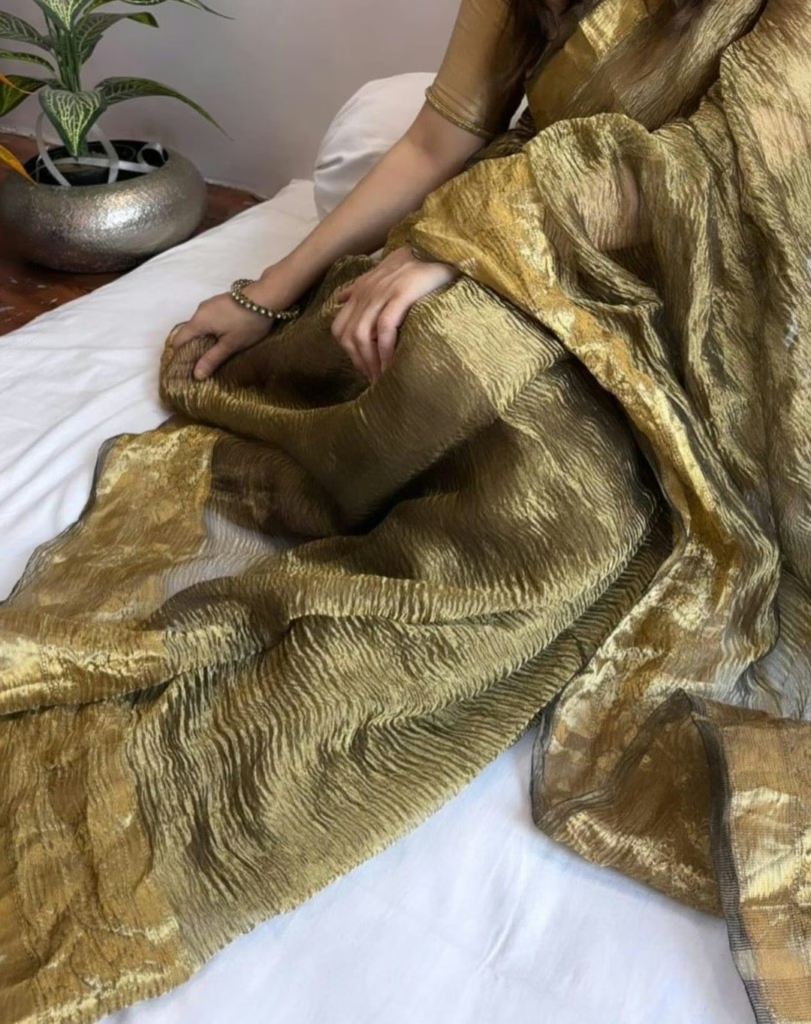
Photo Credits: Pinterest
The beauty of a tissue saree lies in its weaving technique. It may look delicate, but creating it requires immense skill.
The process usually begins with preparing fine silk yarns. These threads form the structure of the saree. Next comes the zari—metallic threads traditionally made by wrapping thin silver or gold-coated wire around silk.
Once the yarns are ready, weavers set the silk threads on a loom as the warp. They then weave the zari threads across them to create the fabric.
This interplay between silk and metallic threads produces the saree’s signature glow.
If the saree includes motifs or brocade designs, the weaving becomes even more complex. Patterns like floral vines, paisleys, and Mughal-inspired designs require additional weaving steps.
A handwoven tissue saree can take several days to several weeks to complete, depending on the intricacy of the design.
Different Types of Tissue Sarees
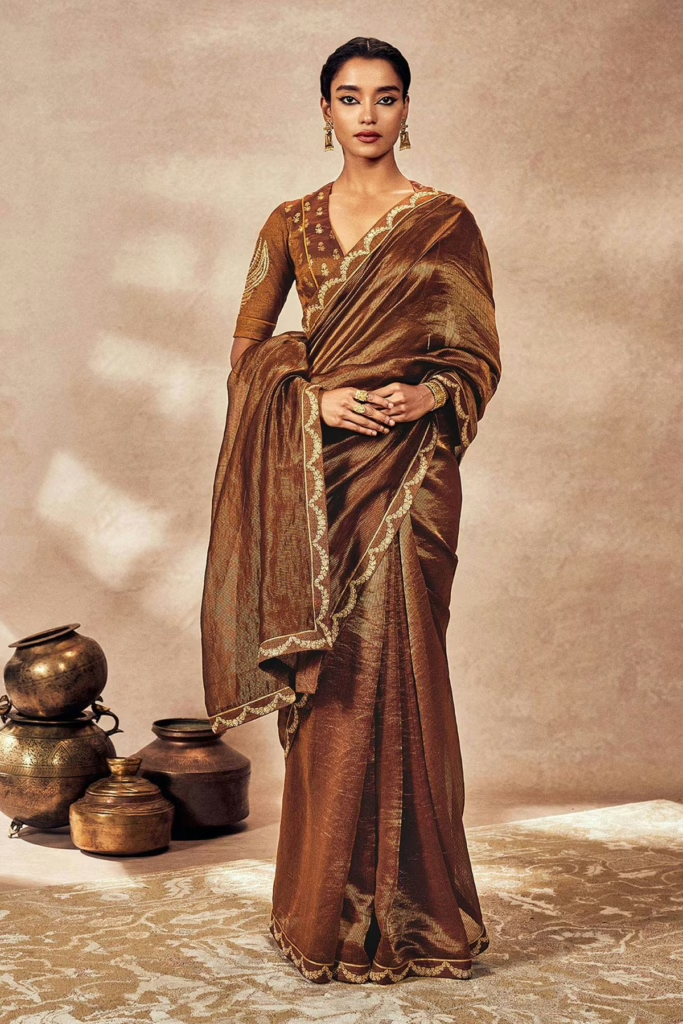
Photo Credits: Pinterest
Although the weaving principle remains the same, tissue sarees appear in several variations across India.
Banarasi tissue sarees are the most traditional and luxurious versions. They often feature intricate brocade work, elaborate borders, and classic motifs like paisleys, florals, and vines. These sarees work beautifully for weddings and festive occasions.
Kanchipuram tissue sarees come from Tamil Nadu. These combine the richness of Kanchipuram silk with metallic weaving, resulting in a slightly heavier but extremely elegant fabric. Temple-inspired borders and bold colors often define these sarees.
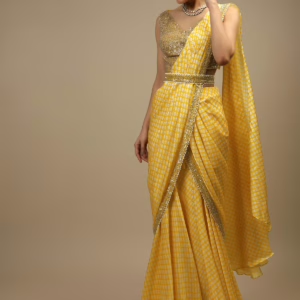
Organza tissue sarees represent a modern interpretation. Designers use lighter fabrics and pastel shades to create a softer, more contemporary look. These sarees work well for daytime weddings and stylish celebrations.
Linen tissue sarees offer another modern twist. The linen base makes the saree breathable and comfortable, while metallic threads maintain the subtle shimmer. These sarees feel ideal for summer festivals and elegant daytime events.
Why Tissue Sarees Feel So Special
Part of the charm of tissue sarees lies in their balance.
They manage to look luxurious without feeling heavy. Unlike many traditional sarees that rely on dense embroidery or heavy fabrics, tissue sarees create impact through subtle luminosity.
The fabric reflects light beautifully, which means it looks different throughout the day.
Morning sunlight gives it a soft glow. Evening lights make it shimmer. Under festive lighting, it often appears almost ethereal.
That is why tissue sarees photograph so beautifully and remain a favorite for weddings and celebrations.
Styling a Tissue Saree
Because the saree itself carries shine and texture, styling works best when kept elegant and balanced.
A well-fitted blouse makes all the difference. Silk blouses with zari work, brocade blouses, or velvet blouses create a rich contrast against the luminous fabric. For modern looks, sleeveless or structured blouses also work well.
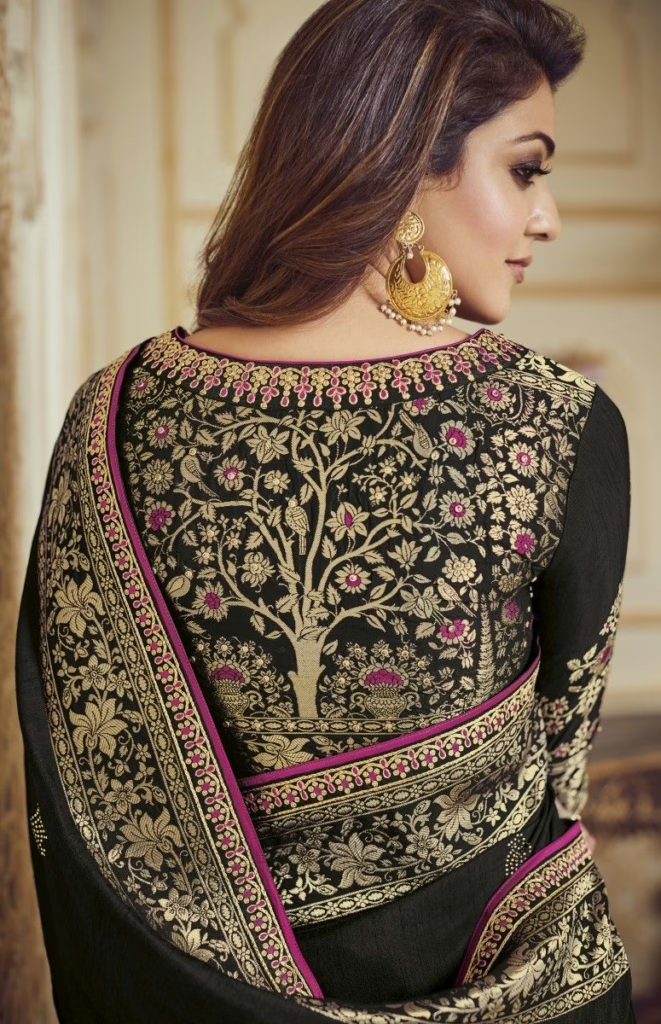
Photo Credits: Pinterest
Jewelry should complement the saree rather than compete with it. Temple jewelry, kundan sets, antique gold pieces, or classic polki jewelry pair beautifully with tissue fabrics.
When draping the saree, keep the pleats neat and structured. The crisp nature of tissue fabric helps the pleats hold their shape well, creating a graceful silhouette.
Caring for Tissue Sarees
Despite their delicate appearance, tissue sarees can last for years when cared for properly.
The best practice is dry cleaning. Water and strong detergents can damage metallic threads, so washing them at home is not recommended.
For storage, wrap the saree in muslin cloth rather than plastic covers. This allows the fabric to breathe while protecting it from moisture.
It also helps to refold the saree occasionally so that the zari threads do not weaken along the same fold lines.
When ironing, always use low heat and place a cotton cloth over the saree to protect the metallic threads.
A Saree That Never Goes Out of Style
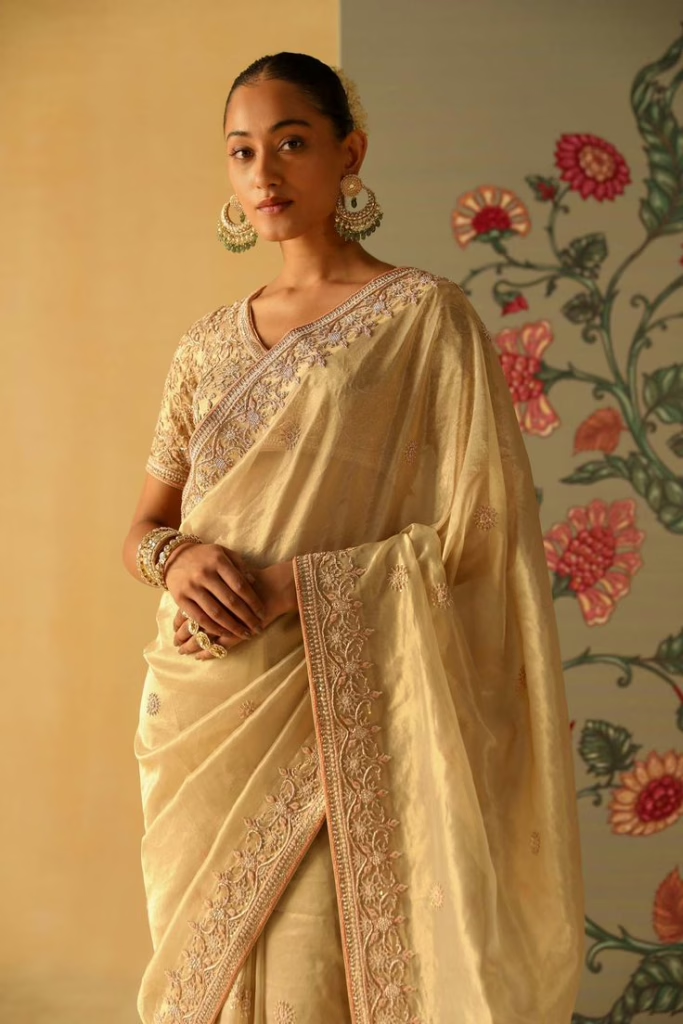
Photo Credits: Pinterest
Fashion trends come and go, but certain textiles remain timeless. Tissue sarees belong firmly in that category.
They capture the essence of Indian craftsmanship—luxury without excess, elegance without heaviness, and beauty created through meticulous weaving.
Designers continue to reinterpret tissue sarees with new colors, lighter weaves, and contemporary styling, yet the fundamental charm remains unchanged.
A tissue saree does not shout for attention. It simply glows quietly, allowing the wearer to shine along with it.
And sometimes, that kind of elegance is the most powerful of all.