

If you’ve ever wondered why your beautiful hand block kurti faded too soon, lost its charm, or just didn’t feel the same after a few washes—the answer is simple.
You treated it like any other Kurti.
And that’s exactly where things go wrong.
Today’s post will give you all the information you need to know to set things right and make your hand block Kurti retain its charm for a long time- stay tuned till the end-
What Makes Hand Block Kurtis So Different?

Photo Credits: Pinterest
Hand block kurtis are not mass-produced garments. They are slow, handcrafted pieces.
Each design is created by pressing carved wooden blocks onto fabric, often using natural or vegetable-based dyes.
This means:
- The prints sit delicately on the surface, not chemically bonded
- The dyes are softer and more sensitive
- The fabric is usually pure cotton or natural fiber
- Slight irregularities are not flaws—they are proof of craftsmanship
Unlike factory prints, these dyes react to water, heat, and chemicals much more easily. That’s why proper care is not optional—it’s essential.
The Real Mistakes Women Make (That Quietly Ruin Their Kurtis)
Let’s talk honestly. These are the most common mistakes we see—and trust us, almost everyone makes at least one of them.
1. Treating It Like Regular Laundry

Photo Credits: Pinterest
The biggest mistake? Tossing it into a washing machine with everything else.
Hand block prints are delicate. Strong agitation can cause:
- Color bleeding
- Print fading
- Fabric stress
That’s why experts always recommend gentle hand washing over machine cycles.
2. Using Strong Detergents

Photo Credits: Pinterest
That “extra power” detergent is actually damaging your kurti.
Harsh chemicals strip natural dyes and weaken the fabric over time.
What you notice:
- Dull colors
- Rough texture
- Loss of softness
A mild, chemical-free cleanser works far better.
3. Washing in Hot Water
This is a silent mistake.
Hot water may feel like it cleans better—but for hand block prints, it does the opposite.
It can:
- Cause dyes to run
- Shrink the fabric
- Fade the design
Cold water helps preserve both color and structure.
4. Ignoring the First Wash Rule
This one step can make a huge difference.
New hand block kurtis often release excess dye initially. Soaking them in salt water before the first wash helps lock in color and reduce bleeding.
Skipping this step is why many kurtis lose vibrancy early.
5. Drying in Direct Sunlight
Sunlight feels natural—but it’s harsh on natural dyes.
Direct exposure can quickly fade prints and reduce contrast.
Always dry your kurti in shade. It’s a small habit that makes a big difference.
6. Wringing and Twisting the Fabric
We all do it—twist, squeeze, hang.
But for hand block kurtis, this damages the structure.
It can:
- Distort prints
- Weaken fibers
- Leave permanent creases
Instead, gently squeeze out water.
7. Using Bleach or Fabric Softeners
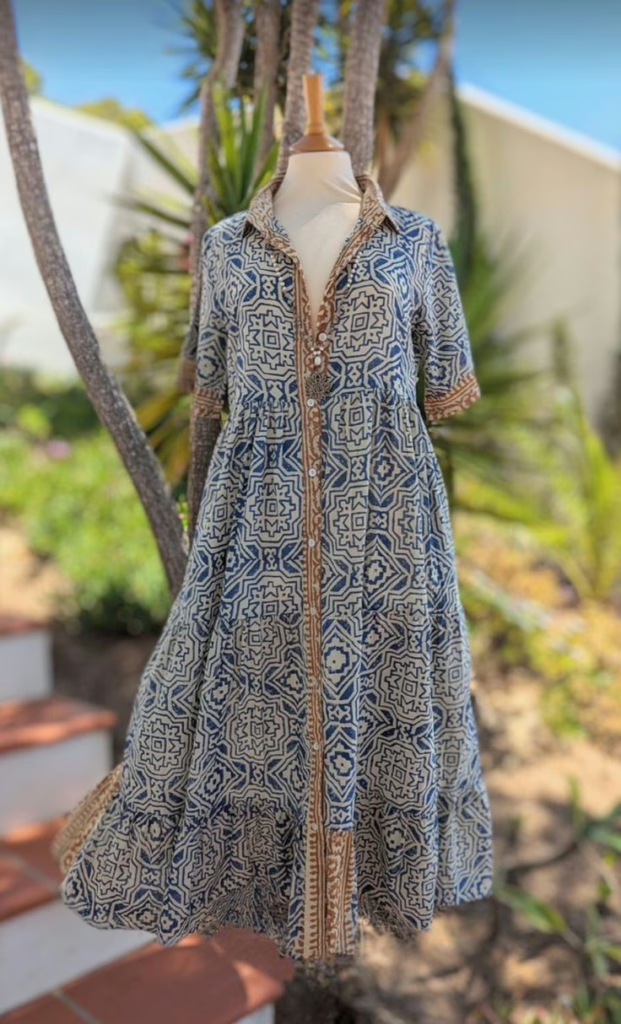
Photo Credit: Pinterest
This is something many people don’t realize.
Bleach destroys natural dyes. Fabric softeners coat the fabric and interfere with its breathability.
The result?
- Patchy colors
- Reduced fabric life
Experts clearly recommend avoiding such chemicals altogether.
8. Overwashing the Kurti
This is a quiet but damaging habit.
Handcrafted fabrics don’t need frequent washing. Overwashing leads to:
- Faster fading
- Fabric weakening
In fact, these fabrics age better with gentle use and fewer washes.
The value of hand block Kurtis
When you buy a hand block kurti, you’re not just buying clothing.
You’re buying:
- Hours of craftsmanship
- Generations of tradition
- A piece of something human
And the truth is—these garments don’t need complicated care.
They just need mindful care.
Wash them gently. Dry them patiently. Store them thoughtfully.
Do that, and your kurti won’t just last longer—it will age beautifully.
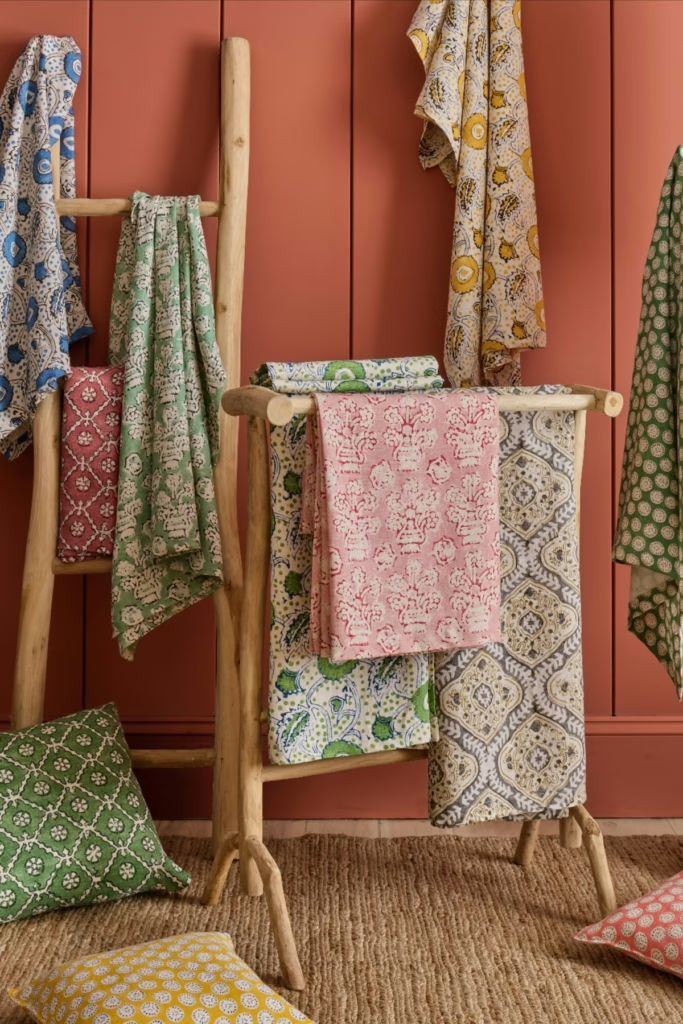
Photo Credits: Pinterest