When you shop for sarees, kurtas, dupattas, or home textiles, you may often come across two common terms: handloom and powerloom. Many buyers see these labels but do not fully understand what they actually mean. Knowing the difference can help you make smarter shopping choices, especially if you care about fabric quality, craftsmanship, comfort, and sustainability.
In this guide, we’ll break down the real differences between handloom and powerloom fabrics in a simple and practical way.
What Is Handloom Fabric?
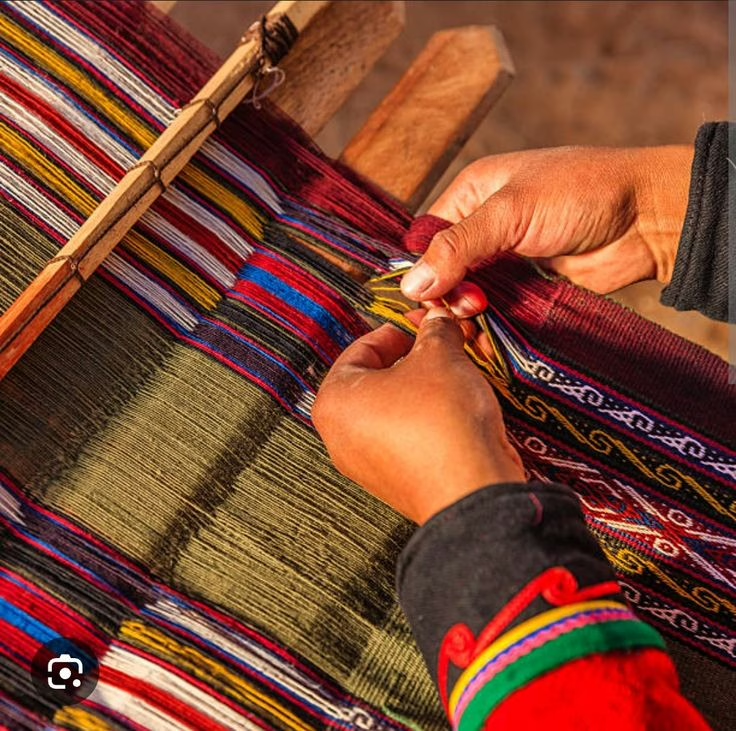
Photo Credits: Pinterest
Handloom fabric is woven manually on a loom operated by skilled artisans. The weaving process depends entirely on human effort and craftsmanship instead of electricity-powered machines.
Every handloom product reflects the skill, creativity, and tradition of the weaver. Since the process is manual, slight irregularities in the weave are common, and these imperfections are actually considered a mark of authenticity.
India has a rich handloom heritage. Famous examples include Banarasi silk, Jamdani, Chanderi, Ikat, and Kanjeevaram weaves.
What Is Powerloom Fabric?
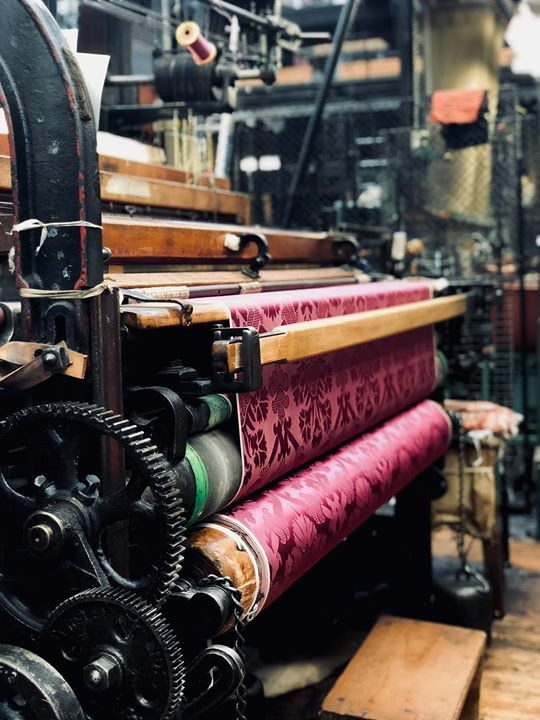
Photo Credits: Pinterest
Powerloom fabric is woven using electrically operated machines. These machines can produce large quantities of fabric quickly and at lower costs.
Powerloom manufacturing focuses on speed, uniformity, and mass production. The fabrics often look neat and identical because machines control the weaving process with precision.
Most affordable and fast-fashion textile products available in the market today are made using powerlooms.
Handloom vs Powerloom: The Main Differences
Photo Credits: Pinterest
1. Production Process
The biggest difference lies in how the fabric is made.
- Handloom fabrics are woven manually by artisans.
- Powerloom fabrics are woven using automated machines.
Handloom weaving takes more time and skill, while powerloom production is much faster.
2. Texture and Feel
Handloom fabrics usually feel softer, more breathable, and more natural against the skin. They often become even softer after multiple washes.
Powerloom fabrics may feel smoother and more polished initially, but they sometimes lack the natural texture and comfort of handwoven fabrics.
3. Uniqueness
No two handloom pieces are exactly identical. Small variations in weave, texture, or motifs make each piece unique.
Powerloom fabrics are machine-made, so they look highly uniform and consistent.
4. Cost
Handloom products are generally more expensive because they involve manual labor, craftsmanship, and longer production time.
Powerloom fabrics are more affordable due to large-scale machine production.
5. Durability
Good-quality handloom fabrics can last for years when maintained properly. The weaving technique often creates stronger and more breathable textiles.
Powerloom fabrics can also be durable, but quality may vary depending on the yarn and manufacturing process.
6. Environmental Impact
One of the major handloom fabric benefits is sustainability. Handloom weaving consumes very little electricity and creates a lower carbon footprint.
Powerloom production depends heavily on electricity and industrial manufacturing processes.
How to Identify Handloom Fabric
Many buyers struggle to identify authentic handloom products. Here are a few simple tips that can help:
Look for Slight Irregularities
Handloom fabrics usually have tiny uneven patterns or texture variations. These are signs of manual weaving.
Check the Reverse Side
In handloom sarees and fabrics, the reverse side often shows detailed weaving work rather than a printed appearance.
Feel the Fabric
Handloom fabrics usually feel airy, soft, and breathable instead of overly stiff or synthetic.
Look for Government Labels
In India, authentic handloom products may carry labels like the Handloom Mark or Silk Mark certification.
Handloom Fabric Benefits
Many buyers today are choosing handloom products not only for fashion but also for comfort and sustainability.
Here are some important handloom fabric benefits:
- Better breathability and comfort
- Supports local artisans and traditional weaving communities
- Eco-friendly production process
- Unique designs and craftsmanship
- Long-lasting quality when maintained properly
- Rich cultural and heritage value
Is Powerloom Always Bad?
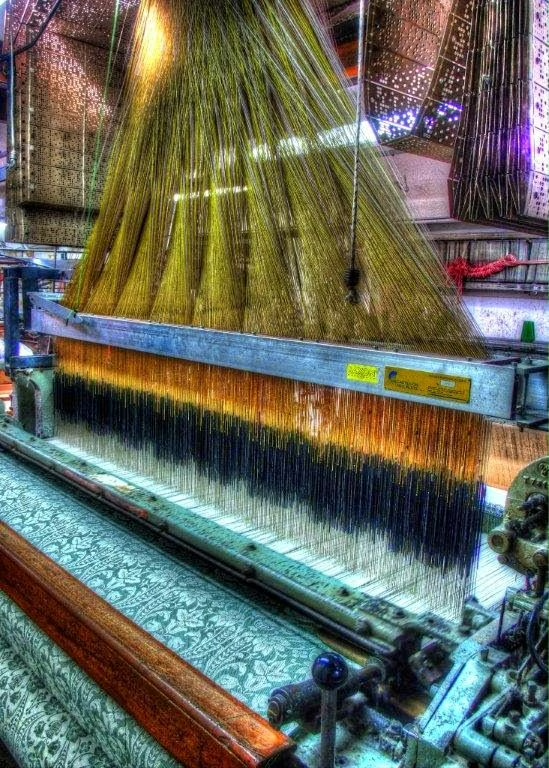
Photo Credits: Pinterest
Not at all. Powerloom fabrics also have advantages.
They are:
- More affordable
- Easily available
- Faster to produce
- Consistent in design and finish
For daily wear, budget shopping, or bulk purchases, powerloom fabrics can be a practical choice.
The key is understanding what you are buying and choosing according to your needs, budget, and preferences.
Which One Should You Choose?
Choose handloom if you value:
- Craftsmanship
- Sustainability
- Heritage textiles
- Premium quality
- Unique designs
Choose powerloom if you prefer:
- Budget-friendly shopping
- Uniform designs
- Easy availability
- Everyday affordability
Both have their place in the textile industry. The best choice depends on what matters most to you as a buyer.
Final Thoughts
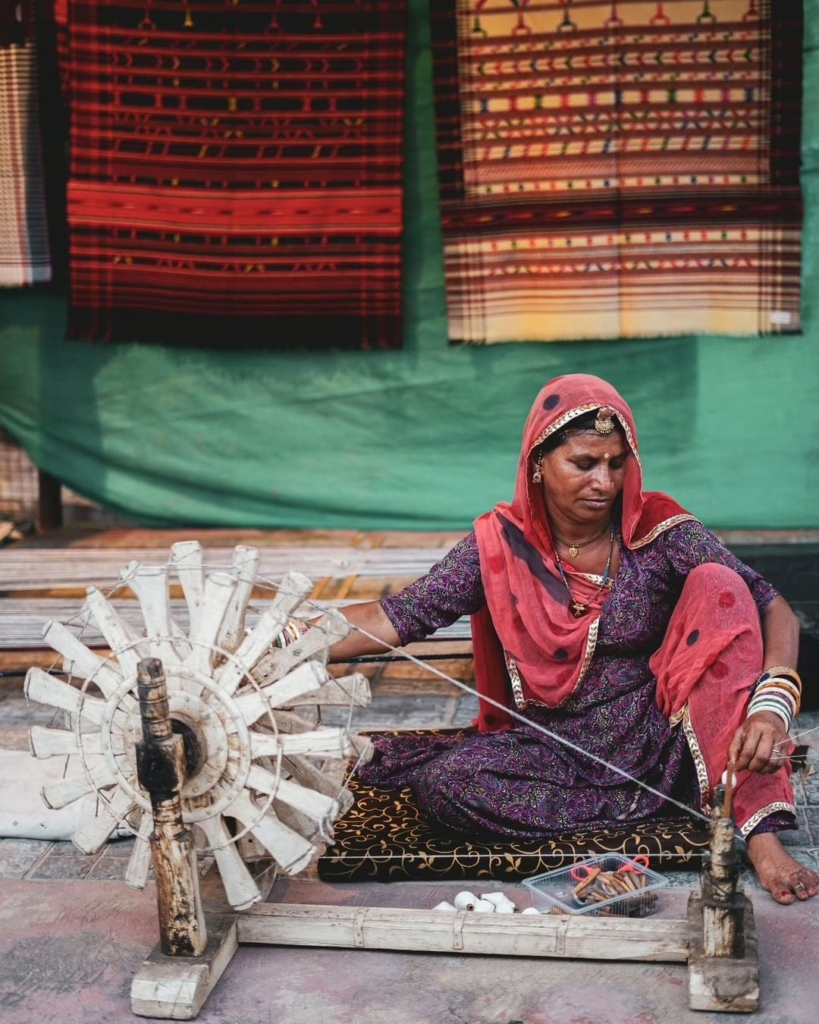
Photo Credits: Pinterest
Understanding the difference between handloom and powerloom helps you become a more informed shopper. Handloom fabrics carry the story of artisans, tradition, and craftsmanship, while powerloom fabrics offer affordability and convenience for modern lifestyles.
The next time you shop for sarees or fabrics, take a closer look at the weave, texture, and craftsmanship behind the product. A little awareness can completely change the way you shop for textiles.
Have you ever purchased handloom or powerloom fabrics? Which do you personally prefer and why? Share your thoughts with us.